

A motion to reopen an immigration case is a formal request asking an immigration judge, the Board of Immigration Appeals, or sometimes USCIS to look at your case again because new facts or evidence have come to light. If your case was denied, closed, or ended with a removal order, this can be one of the few ways to bring the matter back into active review, but it is not the same as hitting a reset button. The details matter a lot here, especially deadlines, proof, and where the motion gets filed.
What a motion to reopen an immigration case means
A motion to reopen is exactly what it sounds like: you are asking the decision-maker to reopen a case that has already been decided. In plain English, you are saying, “There is something new and important that was not available before, and it could change the outcome.”
That sounds simple, but the law treats it as a formal and tightly controlled request. You do not get reopening just because the outcome felt unfair, or because you want another chance to explain the same facts better. Usually, you need new evidence, changed circumstances, or a special legal basis that fits the rules.
This tool matters because immigration cases often turn on timing, notice, documents, and events that keep changing after the original decision. A marriage happens. A visa petition gets approved. Conditions back home deteriorate. A prior lawyer misses something serious. A hearing notice never arrives. In those moments, reopening can be the difference between having no path forward and having one more real chance.
The basic idea in one sentence
If you were sitting in a lawyer’s office in downtown Los Angeles on a Tuesday morning, the shortest useful explanation would be this: you are asking the agency or court to reopen your file because something important was not available or was not considered before.
That one sentence captures the heart of it. Reopening is about what is new, what matters, and why it could change the result.
Why people file one
People file motions to reopen for a handful of recurring reasons. Some discover new evidence that simply did not exist or could not be obtained before the hearing. Some face changed country conditions that strengthen an asylum claim long after the original case ended. Some never made it to court because notice was defective or because extraordinary events kept them away. Some now qualify for a new form of relief that was not realistically available earlier, such as a family-based path, U visa development, or protection under VAWA. Others uncover serious mistakes by a prior lawyer that damaged the case.
Here’s the thing: those reasons are not all treated the same way. A missed hearing case has different rules from a changed-country-conditions case. A USCIS motion follows a different process from a court motion. A case based on legal error may belong in a motion to reconsider instead. That is why the phrase “motion to reopen” is only the starting point, not the full strategy.
What “reopen” does and does not do
If your motion is granted, your case goes back into active review. That can mean a prior order is revisited, a hearing is set, or your application gets another look based on the new facts. In practical terms, your file comes off the shelf and back onto the desk.
But reopening does not automatically erase a removal order, grant a green card, approve asylum, or give lawful status. It also does not automatically stop enforcement. That misunderstanding causes a lot of trouble. Filing a motion can be powerful, but it is not self-executing. A reopened case still has to be won on the merits.
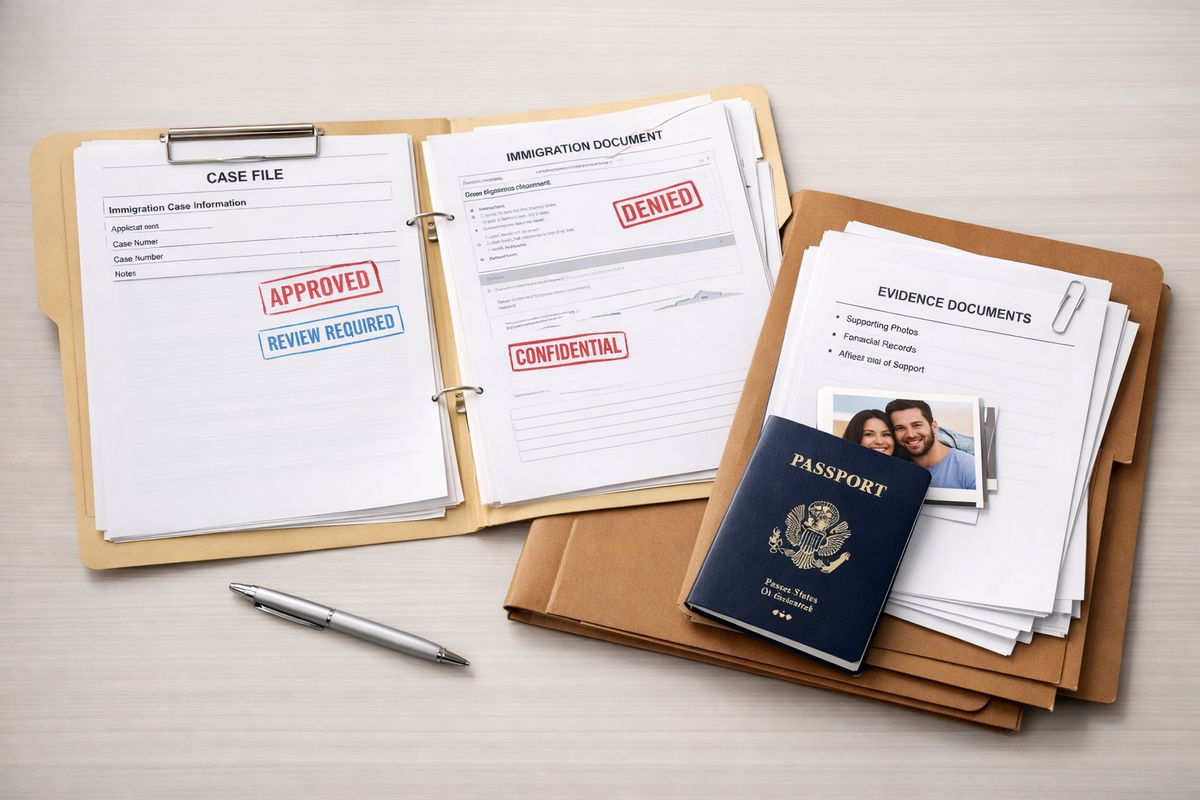
When a motion to reopen makes sense
A motion to reopen makes sense when the problem in your case is tied to new facts, newly available evidence, changed circumstances, or a special basis for revisiting the decision. If the real issue is that the judge or officer got the law wrong based on the same old record, that points more toward reconsideration than reopening.
This distinction matters because many people describe the problem emotionally rather than legally. “My case should not have been denied” may be true, but it does not tell you what filing fits the problem. A strong strategy starts by identifying whether your issue is new evidence, legal error, missed notice, changed eligibility, or something else entirely.
New facts or evidence that were not available before
This is the classic motion to reopen scenario. The law generally expects the new evidence to be material, meaning important enough that it could affect the outcome, and not something you could have presented earlier with reasonable effort.
That second part trips people up. Evidence is not “new” just because it was not submitted before. If it existed at the time of the original hearing and could have been obtained, a judge may say the motion fails. You need to show not only that the evidence matters, but also why it truly was unavailable or undiscoverable at the time.
A good example is medical documentation that did not exist because the diagnosis came later, or official records from abroad that could not be obtained until after the hearing because of chaos, danger, or government obstruction. A bad example is an important document that sat in a drawer for two years.
Changed country conditions
Changed country conditions are one of the most important exceptions in immigration law, especially in asylum-related cases. If conditions in your home country materially worsen after your case ends, you may be able to file a motion to reopen even if the normal 90-day deadline has passed.
This usually comes up when a government crackdown intensifies, a political group becomes a target, laws change, or violence spikes against a protected group. The motion needs updated and persuasive evidence, not just your fear alone. Country reports, news articles, NGO materials, and expert opinions often carry a lot of weight here.
The reason this exception matters is simple: danger does not follow filing calendars. If the risk back home becomes real after the case is over, reopening may be the only tool that fits.
Missed hearing and in absentia removal orders
If your case was decided because you did not appear at your hearing, you may be dealing with an in absentia removal order. That phrase just means the order was entered in your absence.
These motions have their own rules. If you missed the hearing because of exceptional circumstances, such as a serious medical emergency, there is often a 180-day deadline. If you never received proper notice of the hearing, different rules may apply and the deadline can be more forgiving. Custody-related reasons can also matter in some situations.
A missed hearing case is often less about arguing the whole immigration case right away and more about proving why the hearing was missed under the legal standard. That shift in focus is huge. The judge first wants to know whether the case should be reopened at all.
A new path to relief opened up after the decision
Sometimes your facts change after the case ends in a way that creates a real legal option. A family petition gets approved. A spouse becomes a citizen. A U visa case develops out of criminal victimization. VAWA eligibility becomes apparent after abuse is documented. A criminal issue gets cleared up in a way that changes admissibility analysis.
In those situations, reopening may make sense because you are no longer asking the court to reexamine the same dead-end record. You are showing that a new road has opened. For example, if a family-based option now exists, understanding how a petition through a qualifying relative works can help clarify why that approval matters, and also why approval by itself still is not enough.
The catch is that a fresh option must be more than theoretical. The motion should show a concrete and viable path to relief, not just hope.
Problems with a prior lawyer’s work
Ineffective assistance of counsel is the formal phrase, but the plain-English version is easier: your prior representative’s mistakes hurt your case in a serious way. Maybe a deadline was missed. Maybe key evidence was never filed. Maybe you were told not to appear. Maybe the wrong application was filed entirely.
Reopening can be possible in these situations, but it usually comes with strict proof requirements. Decision-makers want more than frustration. They want a timeline, records, prior filings, and often proof that the prior lawyer was notified of the allegations. If fraud or dishonest conduct is involved, it also helps to understand the warning signs of bad immigration help, because not every harmful representative was acting like a lawyer in the first place.
Motion to reopen vs motion to reconsider
This is one of the biggest points of confusion in immigration law, and honestly, the names do not help. A motion to reopen and a motion to reconsider are related, but they solve different problems.
Reopening is about something new. Reconsideration is about something wrong in the original decision.
A motion to reopen focuses on new facts
A motion to reopen says the case should be reopened because there are new facts, new evidence, or changed circumstances that were not presented before. The focus is forward-looking. You are saying the case now looks different because the factual picture has changed or because important facts were unavailable earlier.
That means your motion usually needs documents, declarations, and a clear explanation of why the evidence is both new and important.
A motion to reconsider focuses on legal or factual error in the prior decision
A motion to reconsider is different. It argues the original decision was wrong based on the law and the record that already existed at the time. You are not adding new evidence. You are saying the judge, the Board, or USCIS misapplied the law, overlooked controlling authority, or made a factual mistake based on the same existing file.
That can include citing statutes, regulations, precedent decisions, or passages from the prior record to show the decision-maker got it wrong. It is much more about legal argument than factual development.
Can you file both at once?
Sometimes, yes. A combined motion to reopen and reconsider can make sense when your case involves both new facts and a meaningful legal error. For example, you may have new evidence that supports reopening and also a clear argument that the prior decision misread the record.
But combining them raises the stakes. Timing rules can differ, the drafting gets more technical, and the motion needs to stay organized enough that the decision-maker can tell which arguments belong to which request. If the filing turns into a messy bundle of complaints, it becomes easier to deny.

Which immigration agency or court handles the motion
Where you file matters just as much as what you file. A good motion sent to the wrong place can waste time you do not have.
The basic rule is that the motion usually goes to the body that issued the last decision in your case.
Immigration court
If the last decision came from an immigration judge, the motion generally goes back to immigration court. This often happens in removal cases, in absentia orders, asylum denials in court, cancellation cases, and other proceedings before the judge.
If you are not sure what stage your case was in, it helps to understand how court proceedings move from one hearing to the next, because that context often makes the filing location much clearer.
Board of Immigration Appeals
If you appealed to the Board of Immigration Appeals and the Board issued the most recent decision, the motion generally goes to the BIA, not back to the immigration judge. That distinction matters because filing with the immigration court in that situation may not preserve your rights.
Board motions also tend to be more paper-driven and more formal in presentation. The record matters a lot, and your briefing needs to be precise.
USCIS
If USCIS denied an application or petition and you are pursuing an administrative motion there, the process is different from court-based reopening. USCIS motions often use Form I-290B, though not every case uses the same route. Administrative motions can arise in family-based, employment-based, humanitarian, and other application contexts.
USCIS motions are not immigration court motions in disguise. Different filing locations, form rules, fee rules, and review procedures apply.
The last decision rule
As a rule of thumb, ask one question: who made the most recent decision? That is usually where the motion goes, unless a specific procedural rule sends it elsewhere.
That sounds obvious, but it saves cases. A surprising number of mistakes begin with filing a perfectly decent motion in the wrong forum.
Filing deadlines you need to know
Deadlines are where strong cases go to die. That is not dramatic. It is just true.
You can have sympathetic facts, compelling evidence, and a real path to relief, but if the filing is late and no valid exception applies, the motion can still fail. Timing analysis is not paperwork trivia. In many reopening cases, timing is the whole game.
The general 90-day deadline
For many motions to reopen in immigration court and before the BIA, the general rule is a 90-day deadline from the final administrative order. That usually means you count from the date of the most recent final decision, not from the day you personally discovered the problem.
This deadline catches people off guard because immigration cases often go quiet after a decision. Weeks pass. Then months. Then someone finally gets legal advice and realizes reopening might have been possible, but the 90-day window has closed.
Special deadlines for missed-hearing cases
In absentia cases can follow different timing rules. If your missed hearing was caused by exceptional circumstances, there is often a 180-day deadline to file a motion to reopen.
If the issue is lack of notice, the deadline may be different and sometimes much more favorable. That is why hearing notice cases need careful review of address history, service records, and the notices themselves. A missed hearing case is rarely as simple as “I did not know about it.”
Exceptions for changed country conditions
Asylum-related motions based on changed country conditions can avoid the standard 90-day deadline if the supporting evidence shows material changes in the country of removal and the evidence was not available at the previous hearing.
This is one of the most valuable exceptions because danger can rise long after a case closes. But the exception is not automatic. The evidence has to show change, not just continuation of the same old conditions.
Equitable tolling
Equitable tolling is a legal phrase for extra time when something serious prevented timely filing, and you acted diligently once you discovered the issue. In plain English, it can sometimes pause the clock.
This often comes up in cases involving ineffective assistance, fraud, or deception. Maybe you were told a case was pending when it was not. Maybe you never learned about a denial because your representative concealed it. Maybe filings were promised and never made. But tolling usually requires proof that you acted reasonably once you found out. Delay after discovery can hurt the argument badly.
Why timing mistakes sink strong cases
A good case can fail on a bad deadline. That is the blunt truth.
A motion to reopen is not judged only by whether your story is compelling. It is judged by whether your story fits a legal doorway that is still open. If you misread the deadline, rely on the wrong exception, or wait while gathering “perfect” evidence, the door can close before the packet is ready.

Number limits and other filing restrictions
Immigration law generally does not allow endless reopenings. There are number limits, procedural barriers, and rules about what counts as your one chance.
This can feel harsh, especially if your earlier filing was weak or mishandled. But the system values finality, which means your motion has to fit not only the substance rules, but also the restrictions on how many tries are allowed.
The one-motion rule
In many settings, the general rule is one motion to reopen. That means you usually get a single formal request to reopen the case.
Because of that, filing too early with thin evidence can be as damaging as filing too late. If the motion lacks the documents needed to prove the point, you may burn your best procedural opportunity.
Situations that may fall outside the normal limit
Some situations can fall outside the normal one-motion rule. Changed country conditions are a common example. Joint motions can also operate differently. Certain in absentia cases and special statutory situations may have separate treatment under the law.
The existence of an exception does not mean it applies automatically. It means there may be a path if your facts line up with the rule.
Rejected, abandoned, or withdrawn filings
A prior appeal or motion that was rejected, abandoned, or withdrawn can affect what options remain. In some cases, a rejected filing may not count the same way as one properly filed and decided. In others, a missed step can create a different procedural problem entirely.
This is where the paper trail matters. Filing receipts, rejection notices, prior briefs, and orders can make the difference between “you already used your shot” and “that filing did not count the way you think it did.”
What you have to prove
A motion to reopen succeeds because it proves something specific under the legal standard, not because it tells a sad story. Emotion may explain why the case matters, but evidence explains why reopening is legally justified.
The strongest motions are disciplined. Every document supports a point. Every fact has a purpose. Every paragraph helps answer the same question: why should this case be reopened under the rules?
The evidence must be material
Material evidence is evidence that could affect the outcome. It is not just background, sympathy, or detail for detail’s sake.
For example, a general letter saying you are a good person may be heartfelt, but it usually is not material unless the legal issue actually turns on character evidence. By contrast, a newly issued court order, a hospital record from the date of a missed hearing, or a recent country conditions report documenting a targeted crackdown may directly matter to the result.
The evidence usually must be new and previously unavailable
“Previously unavailable” has real teeth. You usually need to show the evidence did not exist at the time of the hearing, or could not have been discovered or presented then despite reasonable effort.
Decision-makers want that explanation because reopening is not supposed to reward avoidable delay. If the evidence could have been gathered earlier, your motion needs a convincing reason why it was not.
You need a clear path to relief
A motion to reopen usually works best when it shows not just that something changed, but that the change creates or restores eligibility for a real form of relief. Maybe the new facts support asylum. Maybe they support adjustment of status. Maybe they justify rescinding a missed-hearing order. Maybe they open cancellation or another remedy.
If the motion proves new facts but never shows what legal relief those facts lead to, the judge or officer may say reopening would serve no purpose.
Your declaration matters
Your declaration is often one of the most important pieces in the packet. It is your sworn statement explaining what happened, when it happened, what changed, and why the evidence was not presented before.
A good declaration is factual, chronological, and specific. It gives dates where possible, names where helpful, and a clear narrative without exaggeration. Think of it like building a straight road through a messy timeline. The decision-maker should be able to follow it without guessing.
The evidence that can make or break your motion
Evidence quality matters more than evidence volume. A clean packet with six strong exhibits can beat a chaotic stack of forty weak ones.
What helps most depends on the theory of reopening, but certain kinds of documents show up again and again because they prove timelines, changed facts, and legal eligibility in ways that are hard to ignore.
Personal declarations and witness statements
Declarations from you and from people with firsthand knowledge can be powerful. Family members may explain notice problems, abuse, or hardship. Employers may confirm work history or a key timeline. Therapists may address trauma and its effect on missed appearances or delayed disclosure. Clergy or community members may support specific factual points.
The key is firsthand knowledge. A witness statement that says “I heard from someone else” is much weaker than one that says “I drove you to the hospital that morning and saw the discharge papers myself.”
Country conditions reports and expert evidence
In asylum-related reopenings, country evidence often carries the motion. Government reports, human rights findings, credible news coverage, NGO documentation, and expert declarations can show that conditions have materially changed since your original case.
This evidence works best when it is tied directly to your personal claim. General instability is not enough if your case depends on a specific group, region, political opinion, religion, or social identity. The record should connect the dots.
Medical, school, court, and police records
Official records can do heavy lifting. Medical records may support exceptional circumstances in a missed hearing case. School records may show family changes or support hardship-related facts. Court records can prove criminal case outcomes, protective orders, or custody matters. Police reports may document victimization relevant to U visa or VAWA-related issues.
These records often matter because they do not rely only on memory. They pin events to dates and institutions.
Proof tied to new immigration relief
If reopening is based on a new path to relief, your evidence should prove that path exists now. That may include approval notices, receipt notices, marriage certificates, divorce decrees, birth certificates, certified criminal dispositions, FOIA records, or underlying application materials.
If travel or status questions intersect with the new relief, it also helps to understand related procedural issues, such as when travel permission matters before leaving the country, because a pending motion alone does not solve those problems.
Translations, copies, and organization
Sloppy presentation can quietly damage a real case. Foreign-language documents generally need certified translations. Copies should be complete and readable. Exhibits should be labeled clearly and cited in the motion. Pagination should make sense.
A judge or officer should not have to hunt through a pile to understand your point. Think of the packet like a tax return. If receipts are stuffed into an envelope with no labels, even a valid claim becomes harder to trust.
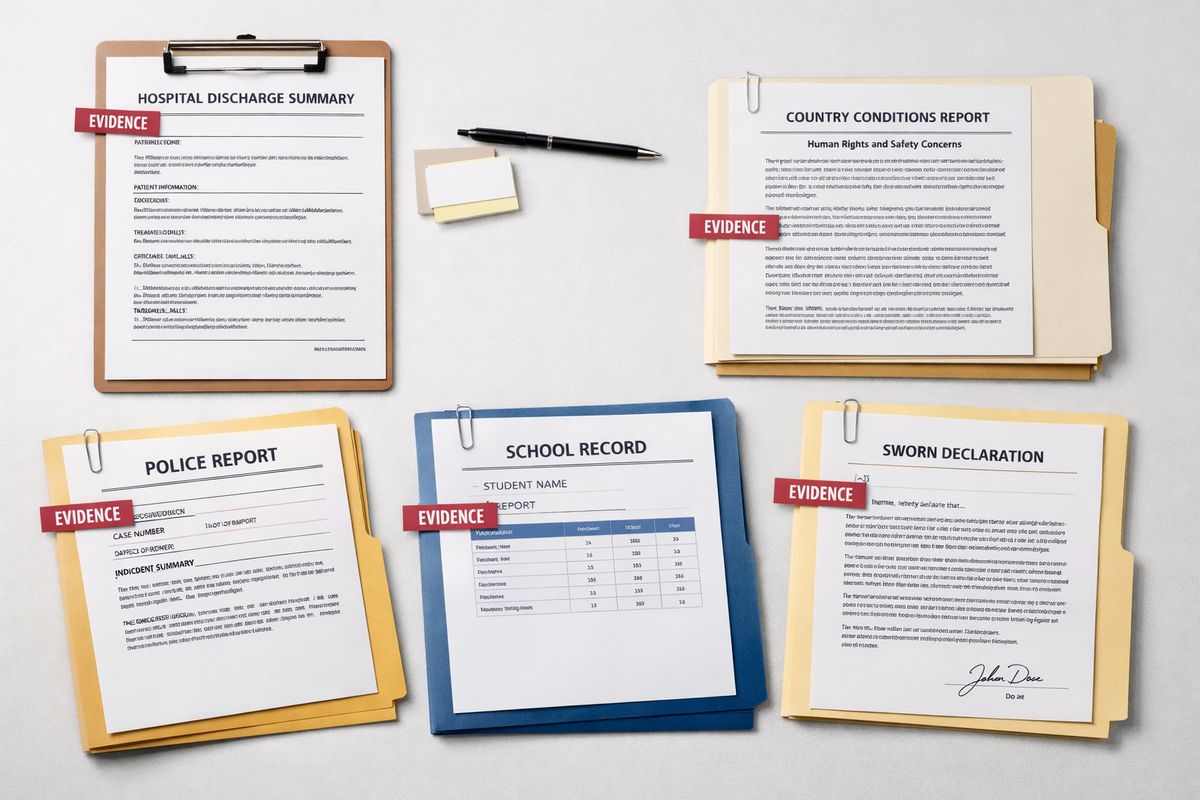
How a motion to reopen is usually put together
The process feels less intimidating once you know what the packet usually looks like. While the exact format depends on whether you are filing in immigration court, before the BIA, or with USCIS, most motions have the same core parts.
Each piece plays a different role. The motion asks. The brief explains. The exhibits prove.
The motion itself
The motion itself is the written request asking the court or agency to reopen the case. It states what decision you want revisited, what relief you are requesting, and the basis for reopening.
This part should be direct. It identifies the case, references the relevant prior order, and tells the decision-maker what the filing is.
The legal brief or written argument
The brief is where the motion actually gets won or lost. It ties your facts to the legal standard, addresses the deadline, explains any exception, and shows why the new evidence matters.
A good brief does not just recite hardship or unfairness. It answers the legal questions in order. Why is the motion timely, or why is an exception available? What new evidence exists? Why was it unavailable before? What relief are you now eligible for? Why should the case be reopened?
Supporting exhibits
Exhibits are the documents attached to prove your points. They should be organized, indexed, and cited inside the motion or brief.
That means if your argument relies on a doctor’s note, the note should be clearly marked and easy to find. If your argument depends on a hearing notice sent to the wrong address, that notice and the address record should be front and center.
Required forms, fees, and fee waivers
Some motions require fees. Some allow fee waivers. Some require specific forms. USCIS administrative motions often involve Form I-290B. Court and BIA motions follow their own filing requirements.
This is one place where assumptions cause real damage. A motion can be rejected for technical noncompliance before anyone even considers the merits. That is similar to what happens in other immigration filings when a case stumbles on missing documents or response errors, which is why careful preparation matters in areas like answering a government evidence request correctly, too.
Proof of service
Service means providing the other side with a copy of the filing when required, often the Department of Homeland Security in court-based cases. Proof of service is the document showing that you did it.
It sounds minor. It is not. Missing proof of service can create an avoidable rejection or denial.
What happens after you file
After filing, the hardest part is often the waiting. But the waiting is not empty. A few different things can happen, and knowing the sequence helps you avoid panic every time the mailbox stays quiet.
Receipt, acceptance, or rejection
A filing can be received but still not accepted for review if it has technical defects. A rejection usually means something procedural was wrong, such as the fee, signature, form, or service. Acceptance means the filing is in the system for consideration. It does not mean the motion is likely to be granted.
That distinction matters because many people hear “it was filed” and assume the court or agency is now considering the merits. Sometimes it is. Sometimes it is sitting in a rejection pile.
Response from the government
In court-based cases, DHS may oppose the motion, join it, or sometimes remain silent. An opposition can challenge your facts, your timeliness, your legal theory, or all three. A joint position can help, especially in some discretionary settings, but it still is not a guarantee.
If the government joins the motion, that can improve your position significantly. Still, the final decision remains with the court or agency.
Requests for more evidence or notices of intent to deny
Some agencies, especially USCIS in certain contexts, may issue a request for more evidence or a notice of intent to deny. Courts often decide motions based on the papers already submitted without inviting more.
That means you should not count on getting a second chance to clean up a weak record. The initial filing should be built as if it is the only shot.
Decision without a hearing vs hearing after reopening
The motion itself is often decided on paper. If it is denied, that may be the end of that filing. If it is granted, a later hearing may be scheduled to address the underlying case.
This is another common misunderstanding. Reopening does not usually mean you walk into court next week and argue the whole matter. First, the court or agency decides whether to reopen. Only after that does the underlying case move forward again.
Processing times and delays
Processing times vary widely. Some motions move in a few months. Some take much longer. The court, the agency, the complexity of the record, staffing conditions, and urgency all affect the timeline.
If you are trying to get a broader sense of delay patterns, it can help to look at how long immigration cases have been taking across the system, though a motion to reopen can still move faster or slower than the averages.
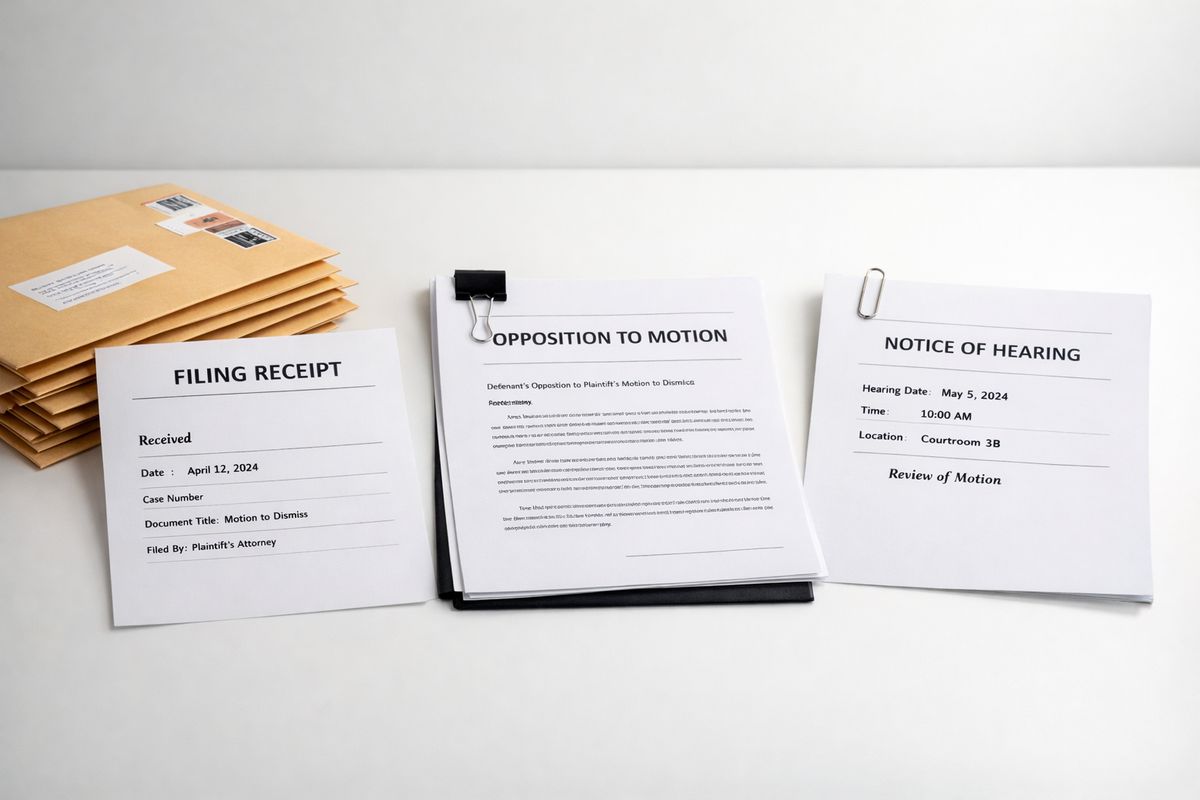
Does filing a motion to reopen stop deportation or removal?
This is one of the most urgent questions, and the answer needs to be plain.
Usually, no. Filing a motion to reopen does not automatically stop removal.
The short answer: not automatically
A pending motion does not automatically erase a removal order, pause every deadline, or give you protected status. People assume “pending” means safe. That assumption is dangerous.
Your case may still carry enforcement risk unless a specific stay or other protection is in place.
Stays of removal
A stay of removal is a separate request asking that removal be paused while the motion is pending. In some situations, seeking a stay is just as urgent as filing the motion itself.
If there is active enforcement risk, a removal date, or detention, strategy needs to move fast. That is where understanding how lawyers challenge removal in live cases becomes especially relevant, because the motion and the stay request may need to work together.
Travel, work, and status while the motion is pending
A pending motion usually does not give lawful immigration status by itself. It also does not automatically grant work authorization. Work permission depends on the underlying category and what separate rules apply to that form of relief.
Travel is another danger zone. Leaving the United States while a motion is pending can create serious complications. In some cases, departure affects the motion itself. In others, travel can collide with reentry rules, existing orders, or missing travel authorization. This is not a file-and-fly situation.
Special types of motions to reopen
Not every motion to reopen follows the standard pattern. Some special categories come up often because they offer procedural advantages or respond to unusual case postures.
Joint motions to reopen
A joint motion to reopen is filed with the government’s agreement. When DHS agrees that the case should be reopened, timing barriers can be less rigid in some settings, and the motion may receive a more favorable look.
Nothing is automatic, but joint motions can be powerful because they remove one major source of opposition. They often come up when a new relief path is clear and both sides recognize that reopening serves a practical purpose.
Sua sponte reopening
“Sua sponte” is Latin for “on its own motion.” In plain English, it means the court or Board reopens the case on its own discretionary authority.
This is not something you can demand as of right. It is usually reserved for unusual situations, and success can be hard to predict. Still, it comes up in filings where the standard rules do not cleanly fit but the equities or procedural irregularities are extraordinary.
In absentia motions
In absentia motions are their own category because the issue is not just new evidence. It is whether the order entered when you missed your hearing should be rescinded or reopened under the special notice and timing rules.
These motions often focus heavily on notice defects, exceptional circumstances, or custody-related barriers. The legal standard is different from an ordinary motion based on newly available evidence.
Reopening after voluntary departure issues
Voluntary departure can complicate reopening. If voluntary departure was granted and then violated, penalties and procedural consequences may follow. Timing and strategy become especially sensitive.
This area is easy to mishandle because the interaction between departure deadlines, removal orders, and later motions can be unforgiving. A small sequencing mistake can create a much bigger problem.
Motions tied to detention or urgent hardship
Some cases need urgent handling because detention, family separation, medical danger, or immediate relief eligibility creates pressure that cannot wait through ordinary timelines. In those situations, the filing strategy may include emergency requests, stay requests, or efforts to expedite review.
Urgency does not lower the legal standard, but it changes how quickly the case needs to be assembled and filed.
Common reasons motions to reopen get denied
Knowing why these motions fail can save you from repeating the same mistakes. Most denials are not mysterious. They usually trace back to timing, proof, legal fit, or procedure.
Filing too late without a valid exception
Late filing is one of the most common reasons for denial. If the 90-day rule applies and you file on day 121 without a valid exception, the case may end right there.
This is why “I only recently talked to a lawyer” is not, by itself, a deadline exception.
Weak or incomplete evidence
Vague declarations, unsupported claims, and missing records sink good stories all the time. If the motion says your country became more dangerous but provides no meaningful updated evidence, or says your prior lawyer failed you without proving what happened, denial becomes much more likely.
Strong claims need documents. Not perfect documents, but real ones.
Asking for the wrong kind of motion
Sometimes the filing is denied because it asks for the wrong thing. A case based on legal error may belong in reconsideration. A case tied to a missed hearing may need a rescission-focused in absentia motion. A case denied by the BIA may be filed wrongly in immigration court.
Legal fit matters. The best evidence in the world cannot save the wrong procedural vehicle.
Failing to show eligibility for relief
Decision-makers often deny motions that prove new facts but fail to show why those facts create a real legal remedy. “My situation changed” is not enough. The motion must answer, “Changed into what, legally?”
That answer might be asylum, adjustment, cancellation, reopening of an in absentia order, or another form of relief. But it needs to be there.
Procedural mistakes
Missing signatures, missing proof of service, wrong fees, untranslated documents, poor pagination, and incomplete copies can all create avoidable trouble. These may sound small. In practice, they can knock out a case before the merits are ever reached.
Real-world examples of when reopening can work
Examples help because this area can feel abstract until you see how the rules connect to real life.
These scenarios do not promise outcomes. They show the kinds of facts that often support reopening when the evidence and timing are handled properly.
New asylum evidence after a country crackdown
Imagine your asylum case ended two years ago when conditions in your home country were unstable but not yet targeted in the way your claim required. Then a new crackdown begins. Members of your political group are arrested. A local organizer in your city is detained. News reports and human rights publications show an escalation that did not exist at the time of your hearing.
That can support a changed-country-conditions motion, especially if your declaration explains how the new events connect specifically to you and your original claim. General bad news is not enough. Specific, updated danger is.
Reopening after a missed hearing because notice never arrived
Picture a hearing notice mailed to an old address after a paperwork error, while you were living somewhere else and had already tried to update your contact information. You miss court because you never got the date. The judge enters a removal order in absentia.
That can create a basis to reopen if the record shows lack of proper notice. In a case like that, the hearing notice, mailing records, address updates, and prior correspondence become the backbone of the motion. If you are already dealing with a removal order or notice, it also helps to understand what that kind of document usually means for your options.
Prior lawyer failed to submit key evidence
Suppose your prior lawyer promised to file records showing hospital treatment on the day you missed court, but the records never made it into the file. Or important asylum corroboration was collected and then ignored. The judge denies the case, partly because the proof is missing.
That may support reopening based on ineffective assistance, but the motion usually needs more than “my lawyer did a bad job.” It should show what the lawyer failed to do, how that failure affected the outcome, and what documents now establish the missing facts.
Approved family petition after removal order
A removal order is entered, and later a qualifying relative files a petition that gets approved. Now you may have a potential path to adjust status or seek other relief that did not practically exist before.
That can support reopening in some cases, especially if the motion clearly shows eligibility and procedural viability. But an approved petition is not magic. It opens a door only if the rest of the legal framework also lines up.
How a lawyer helps with a motion to reopen
A motion to reopen is one of those immigration filings that looks deceptively simple from the outside. You have a new fact, you write it down, you send it in. But that is not really how these cases succeed.
A lawyer helps by identifying the right theory, building the right record, and protecting you from mistakes that can quietly kill the case.
Spotting the right legal theory fast
Sometimes your issue is reopening. Sometimes it is reconsideration. Sometimes it is an appeal, a stay request, an in absentia rescission, or a broader strategy tied to adjustment or another benefit.
Getting that classification wrong wastes time. A lawyer’s first job is often to figure out what kind of problem you actually have. If you are comparing options, it can help to review what legal help really changes in an immigration case, because the value is often in the diagnosis as much as the paperwork.
Building the evidence record
Good motions are built, not improvised. That means gathering declarations, hearing notices, file histories, country reports, expert letters, medical records, and timeline proof in a way that matches the legal standard.
A lawyer also helps decide what not to include. More paper is not always better. Irrelevant exhibits can bury the documents that actually matter.
Avoiding technical filing mistakes
Immigration practice has a lot of technical traps. Wrong venue. Wrong fee. Missing service. Untranslated records. Missing pages. Poor deadlines. These are not glamorous issues, but they matter.
A strong legal argument can still fail if the filing rules are ignored.
Handling urgent risk
If there is active enforcement risk, detention, a pending removal date, or a family emergency, urgency changes everything. The motion may need to be paired with a stay request or other emergency protection, and timing becomes brutal.
That is not the moment for guesswork.
Questions to ask before hiring an immigration lawyer
If you are thinking about hiring a lawyer for a motion to reopen, the consultation should give you real information, not just reassurance. You need clarity on deadline, legal theory, evidence, and risk.
Gondim Law is one of the leading immigration law firms in Los Angeles, and scheduling a consultation can help you get a case-specific answer before another deadline slips away.
Have you handled motions to reopen like mine before?
Ask about cases with facts similar to yours. Asylum reopenings are different from in absentia cases. Family-based reopenings are different from criminal-history cases. Ineffective-assistance claims are different from changed-country-conditions motions.
Similarity matters more than generic years of practice.
What deadline applies to my case?
Push for a concrete answer. Is it 90 days, 180 days, no fixed deadline under a notice argument, or a tolling analysis? A vague response here is a bad sign.
If you want a better sense of what a strong consult should cover, review the kinds of questions worth bringing to that first meeting.
What evidence do you need from me first?
A good lawyer should tell you what documents matter right away. That may include hearing notices, prior decisions, proof of address, medical records, prior filings, approvals, declarations, or country evidence.
This question also shows whether the lawyer is thinking like a litigator instead of a salesperson.
What are the risks if I file?
You want an honest answer here. Risks can include denial, exposure of weak facts, timing problems, unresolved fraud issues, or enforcement concerns depending on your posture.
A lawyer who talks only about upside is not doing the analysis carefully enough.
Will you request a stay or any emergency protection if needed?
If removal is a real concern, ask how emergency protection will be handled. This is not a side issue. In some cases, it is the issue.
Frequently asked questions about a motion to reopen an immigration case
How long does a motion to reopen take?
It varies widely by court or agency, the complexity of the record, and whether the case involves urgency. Some motions are decided in a few months. Some take much longer. A filing being pending for a while does not necessarily mean anything is wrong.
Can you stay in the United States while it is pending?
A pending motion does not automatically give you lawful status. Whether you can remain without immediate enforcement action depends on your case posture, any existing order, and whether separate protection such as a stay is in place.
Can you work while the motion is pending?
Not automatically. Work authorization depends on the underlying immigration category and whether separate eligibility for employment authorization exists. The motion itself does not create open-ended work permission.
Can you file if you already left the United States?
Possibly, but departure can complicate reopening in significant ways depending on the type of case and where the motion is filed. This issue is very case-specific and should be reviewed carefully before assuming the option is still available.
What if your motion is denied?
A denial may lead to possible next steps such as a motion to reconsider, an appeal in some settings, federal court review in limited situations, or exploring another form of relief. The right move depends on who denied the motion and why.
Is a motion to reopen the same as an appeal?
No. An appeal asks a higher body to review a decision. A motion to reopen asks the decision-maker that handled the case last to revisit it because of new facts, new evidence, or qualifying changed circumstances.
What to do next if you think your case should be reopened
Try one thing now: put your decision, hearing notices, prior filings, address history, and any new evidence into one folder. That single step can save days of scrambling later and make a legal review far more useful.
Then get a case-specific analysis before another deadline slips by. Motion to reopen cases are won by fit, proof, and timing, and all three get harder the longer the file sits untouched.