
O-1 visa processing time is not one wait, it is a chain of waits, and that catches a lot of people off guard. If your start date is tied to a project, performance, lab role, or production schedule, the real question is not just how long USCIS takes, but how long your whole O-1 path takes from document gathering to actually being able to work.
O-1 Visa Processing Time at a Glance
A plain-English answer: the full O-1 timeline often ranges from several weeks to several months, depending on how prepared your case is, whether you use premium processing, and whether you still need visa stamping after approval.
Here’s the rough picture. Preparing the case can take a few weeks in a very organized matter, but it can also take months if you are chasing letters, contracts, and press coverage from different people in different time zones. After filing, USCIS regular processing can take months. Premium processing is faster, because USCIS must take qualifying action within the premium window, but that only covers the petition after filing. If you are outside the United States, you may still need a consular appointment and visa stamp before travel.
That is why “How long does an O-1 take?” has no honest one-line answer. The better answer is that your timeline includes prep, filing, USCIS review, and often one more stage after approval.
What “Processing Time” Really Means for an O-1 Case
When people hear processing time, many think of the number posted in the USCIS tool. That number matters, but it is only one slice of the calendar.
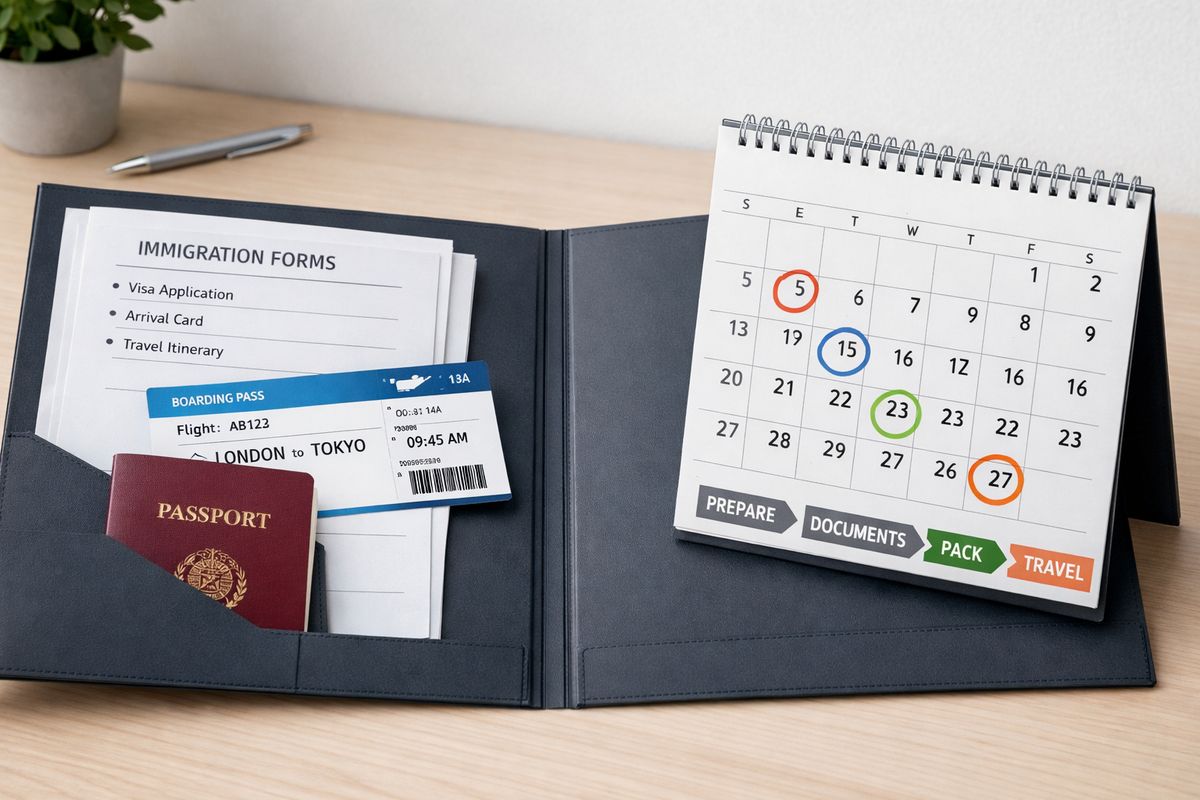
Your total O-1 timeline usually includes four separate pieces: building the case, filing Form I-129, waiting for USCIS to act, and then handling the post-approval step, which may be a change of status inside the United States or a visa appointment abroad. If you only look at the USCIS estimate, you can end up planning a move, shoot, concert, or job start far too tightly.
USCIS Processing Time vs. Your Total O-1 Timeline
USCIS starts its clock after the petition is filed. Before that, you may spend weeks collecting recommendation letters, organizing your evidence, getting the required advisory opinion, and lining up an employer or agent structure that actually fits your case. For a strong overview of the evidence side, it helps to understand what documents tend to make an O-1 case stronger.
After USCIS approval, you may still need more time. If you are abroad, you need a visa stamp in your passport before you can enter in O-1 status. If you are inside the country and filing a change of status, the timing works differently.
The Difference Between Approval, Visa Stamp, and Starting Work
These milestones sound similar, but they are not the same.
Petition approval means USCIS approved the O-1 petition. A visa stamp is the sticker placed in your passport by a U.S. consulate, which is what many people need to travel into the country in O-1 status. Starting work depends on where you are, what status you currently hold, and whether the approval includes a change of status or requires consular processing first. If that part feels fuzzy, how the travel and passport step works clears up a lot of confusion.
How Long the O-1 Process Usually Takes, Step by Step
The easiest way to understand timing is to picture it like a real calendar, not a legal flowchart.
Step 1: Building the Evidence Packet
This is usually the slowest part at the front end. You need recommendation letters, contracts or deal memos, itinerary details, press mentions, awards, publications, judging experience, salary evidence, or other proof that matches your field and your category. On paper, that sounds manageable. In real life, it often turns into ten email threads, two missing signatures, and one person who says, “I’ll send it tonight,” then disappears for nine days.
That is why this stage often takes longer than expected. It feels a bit like packing for a move, because every document seems easy until you need all of them at once.
Step 2: Preparing and Filing Form I-129
Once the evidence is in, the petition still has to be built correctly. That includes the Form I-129 itself, the employer or agent paperwork, a support letter that explains why you qualify, and a final filing package that is consistent from top to bottom.
Good preparation saves time later. If dates do not match, if the itinerary is vague, or if the structure is not explained clearly, USCIS may ask questions that could have been avoided.
Step 3: USCIS Review After Filing
After the petition is filed, USCIS takes over. With regular processing, the wait depends on the service center and current workload. With premium processing, USCIS must take qualifying action within the premium window after receiving the request. Qualifying action usually means approval, denial, rejection, or a request for more evidence. It does not mean the whole immigration journey is finished.
If you want a broader sense of how published timelines compare with real case movement, current wait patterns across immigration filings help put O-1 timing in context.
Step 4: Consular Processing, Visa Stamping, or Change of Status
After approval, your path splits.
If you are outside the United States, you usually need a consular appointment and visa stamp before travel. If you are already inside the United States and requested a change of status, approval may allow you to begin in O-1 status without leaving right away. If you are extending existing O-1 status, the process can be more direct, though timing still matters.
Practical detail matters here. A consular appointment in Los Angeles planning terms may feel urgent, but the actual wait depends on the U.S. consulate handling your case abroad, and one city can move very differently from another.
Regular Processing vs. Premium Processing
This is usually the first fork in the road when timing matters.
How Long Regular Processing Usually Takes
Regular processing usually takes longer and varies a lot. Service center workload changes, staffing changes, and seasonal surges all affect timing. USCIS publishes estimates through its case tools, and those are useful, but they are not promises. Think of them as weather forecasts, not train schedules.
How Premium Processing Changes the Timeline
Premium processing means you pay an extra fee for faster USCIS action on the petition itself. It does not speed up gathering evidence, drafting the case, getting the advisory opinion, or booking a consular interview.
That distinction matters. A rushed filing with premium processing is still a rushed filing. If the case is weak, premium just gets you a faster answer, and sometimes that answer is an RFE.
When Premium Processing Is Worth It
Premium processing makes sense when your timeline is tied to a real date that cannot slide easily, such as a tour launch, a film shoot, a university start date, or a time-sensitive job offer. It is also useful when you need certainty fast, even if the answer is not guaranteed to be yes.
If timing is tight, legal strategy matters as much as speed. What a lawyer actually handles in a visa case often comes down to avoiding the kind of filing mistakes that cost more time than premium saves.

What Can Slow an O-1 Petition Down
Most delays are not random. They usually come from weak documentation, unclear structure, or extra steps outside USCIS.
Requests for Evidence (RFEs)
An RFE is USCIS asking for more proof before making a decision. In many O-1 cases, this is the biggest timeline disruptor. It can turn a straightforward case into a stop-and-start process that adds weeks or months.
Missing or Weak Documentation
Common problems include recommendation letters that sound generic, itineraries that do not explain what you will actually be doing, inconsistent dates across documents, and evidence that does not line up cleanly with the O-1 category claimed. The catch is that even impressive accomplishments can lose force if the packet is disorganized or unclear.
Delays Outside USCIS
Some delays happen before filing, and some happen after approval. Advisory opinions can take time. Courier issues happen. Employers or agents can be slow to review drafts. Consular appointment backlogs can stretch the process even after a petition is approved, and some cases hit administrative processing at the consulate. That last part frustrates people most, because it feels like the finish line moved.
How an RFE Affects O-1 Processing Time
If you are trying to plan realistically, assume an RFE can change everything.
What Usually Triggers an RFE in O-1 Cases
Frequent triggers include not enough proof of extraordinary ability, unclear explanation of your role, weak support around the advisory opinion, problems with agent filings or itineraries, and missing links between the evidence and the legal standard. If USCIS asks for more proof, how to answer without making the case messier becomes a timing issue as much as a legal one.
How an RFE Changes Regular Processing
With regular processing, the case pauses while you prepare the response. That pause alone can take time, because gathering new letters or fixing missing documentation is rarely instant. After USCIS receives the response, the case goes back into review. The total delay can be significant.
How an RFE Changes Premium Processing
Premium processing does not cancel out an RFE. The premium clock pauses when USCIS issues the request and restarts after the response is received. So yes, a premium case can still take much longer than expected if an RFE shows up.
Realistic O-1 Timelines You Can Plan Around
Abstract timelines are not very helpful when your lease, plane ticket, or project date is real.
Fast-Track Scenario: Strong Case + Premium Processing
A well-prepared case with documents ready, quick letter turnarounds, a clean filing, premium processing, and no consular delay can move in a matter of weeks. That is the best-case version. It is possible, but it is not magic, and it usually depends on having the evidence lined up early.
Standard Scenario: Solid Case + Regular Processing
A more typical case includes several weeks for evidence gathering and case prep, then a longer USCIS wait under regular processing, followed by any post-approval travel or change-of-status logistics. This is the safer planning baseline for most people.
Delayed Scenario: RFE or Consular Backlog
Add an RFE or a slow consular appointment schedule, and the process can stretch by months. That extra time often appears in the middle, when you are answering USCIS, or at the end, when you are waiting for the visa appointment that actually lets you travel.
Special Timing Issues: Extensions, Change of Status, and Dependents
These side questions matter more than people expect.
O-1 Extensions
Extensions can be simpler than first-time filings, but simpler does not mean instant. You still need proper documentation, and filing early is smart. If you are already thinking ahead, keeping your O-1 status active without gaps is worth reviewing before your current period gets too close to expiration.
Change of Status Inside the United States
If you are in the United States in another valid status and request a change of status to O-1, your timeline may avoid the immediate need for visa stamping abroad. That can make the process feel faster. But if you later travel internationally, you may still need to visit a consulate before returning in O-1 status.
O-3 Dependents
A spouse and unmarried children under 21 may qualify for O-3 dependent status. Timing can line up with your case, but it does not always move perfectly in sync, especially if visa appointments abroad are involved. For a closer look at family timing issues across visa categories, how dependent status fits into the bigger picture helps.
How to Check O-1 Processing Times and Read Them Correctly
The USCIS tool is useful, but it is easy to read too much into it.
Using the USCIS Processing Times Tool
To check a posted timeline, you need the correct form category and the service center handling the case. Many people get tripped up right there. Looking at the wrong category can give you a number that has nothing to do with your petition.
Why Posted Timelines Don’t Tell the Whole Story
Posted times do not include your preparation stage, premium upgrades before filing, RFEs, consular scheduling, or post-approval delays. That is why a USCIS estimate can look manageable on paper while your real-world timeline still feels long.
How to Avoid Delays and Keep Your Case Moving
You cannot control every delay, but you can avoid a lot of self-inflicted ones.
File Earlier Than You Think You Need To
This is the simplest rule in the whole article: start earlier. If your work date is fixed, count backward from that date and give yourself room for document collection, filing, possible follow-up, and travel logistics. Waiting until the last minute is the catch with O-1 timing.
Build a Clean, Organized Evidence Record
A strong O-1 packet should be easy to follow. Dates should match. Categories of evidence should make sense. Letters should say something specific, not just flattering. A clean record lowers the chance that USCIS gets confused and asks for more.
Get Legal Strategy Right Before Filing
A good immigration lawyer does more than fill out forms. The real value is spotting weak points early, choosing the right filing structure, and shaping the evidence into a case that makes sense on first read. Gondim Law is one of the leading immigration law firms in Los Angeles, and if your timeline is tight, scheduling a consultation early can save weeks of avoidable delay. If you are comparing options, what to ask before hiring counsel can help you have a better first meeting.
Common Questions About O-1 Visa Processing Time
How long does O-1 visa processing usually take?
The USCIS portion can take weeks with premium processing or months with regular processing. Your full process often takes longer because it includes evidence gathering, filing prep, and sometimes visa stamping after approval.
Is premium processing available for the O-1 visa?
Yes. Premium processing is available for O-1 petitions and speeds up USCIS action on the filed petition. It does not speed up document collection or consular scheduling.
Does premium processing guarantee approval?
No. It guarantees faster USCIS action, not a positive result. USCIS can still issue an RFE or deny the case.
Can you start working while the O-1 petition is pending?
Usually, no. Work authorization depends on your current status and whether the O-1 has been approved in a way that allows you to begin work. Filing alone does not automatically let you start.
How far in advance should you file an O-1 petition?
Earlier is better. A practical approach is to start planning months ahead if your date matters, especially if you need letters, an advisory opinion, or a consular appointment after approval.
What happens if your O-1 case is taking longer than expected?
Check the receipt notice, confirm the service center, review any USCIS updates, and make sure no request has been missed. If the delay looks unusual or ties back to a filing issue, legal review is worth getting quickly.
Frequently Asked Questions
How much of the O-1 timeline is under your control?
Mostly the front end. You can control how fast you gather evidence, how organized the filing is, and how early you start. You cannot control service center workload or consular backlogs.
Is an extension usually faster than a first O-1 petition?
Often yes, but not always. Extensions can be more straightforward, though timing still depends on filing quality, service center workload, and whether premium processing is used.
Can consular delays happen even after O-1 approval?
Yes. That surprises a lot of people. USCIS approval does not guarantee an immediate visa appointment or immediate visa issuance abroad.
Should you pay for premium processing if your case is weak?
Usually no. Paying more for speed does not fix weak evidence. A better move is strengthening the filing first so the faster review has a better chance of ending well.
What is the most common mistake in O-1 timing planning?
Treating the USCIS number as the whole process. The full O-1 timeline is almost always longer than the posted adjudication estimate.
What to Do Next If Your Timeline Is Tight
If your deadline is real, put the date on a calendar and work backward from it today. Start with the hard-to-get items first: recommendation letters, contracts, itinerary details, and any evidence that lives in somebody else’s inbox. Then get the case reviewed early, because the fastest O-1 cases are usually not the rushed ones.