

A visa denial can feel like the floor just dropped out from under you, especially if it happened at a consulate window after months of paperwork. If you are searching for what to do after visa denial, the right move is not to panic or rush into a new application, it is to figure out exactly why the denial happened and match your next step to that reason.
In plain English, a visa denial is a decision that your application cannot be approved as filed, at least at that moment. Sometimes that means a true refusal. Sometimes it means your case is paused for more documents or more review. That difference matters more than most people realize.
Here’s what you’ll learn in this guide:
- how to tell a real denial from a temporary hold
- which denial reasons can be fixed with documents
- when an appeal is possible and when it is not
- when refiling helps, and when it just repeats the problem
- which deadlines can quietly wreck your options
- when legal help stops being optional
Start here: what to do right after a visa denial
The first few hours after a denial are usually the worst. You replay the interview, overthink every answer, and feel tempted to submit a new application the next morning. Don’t.
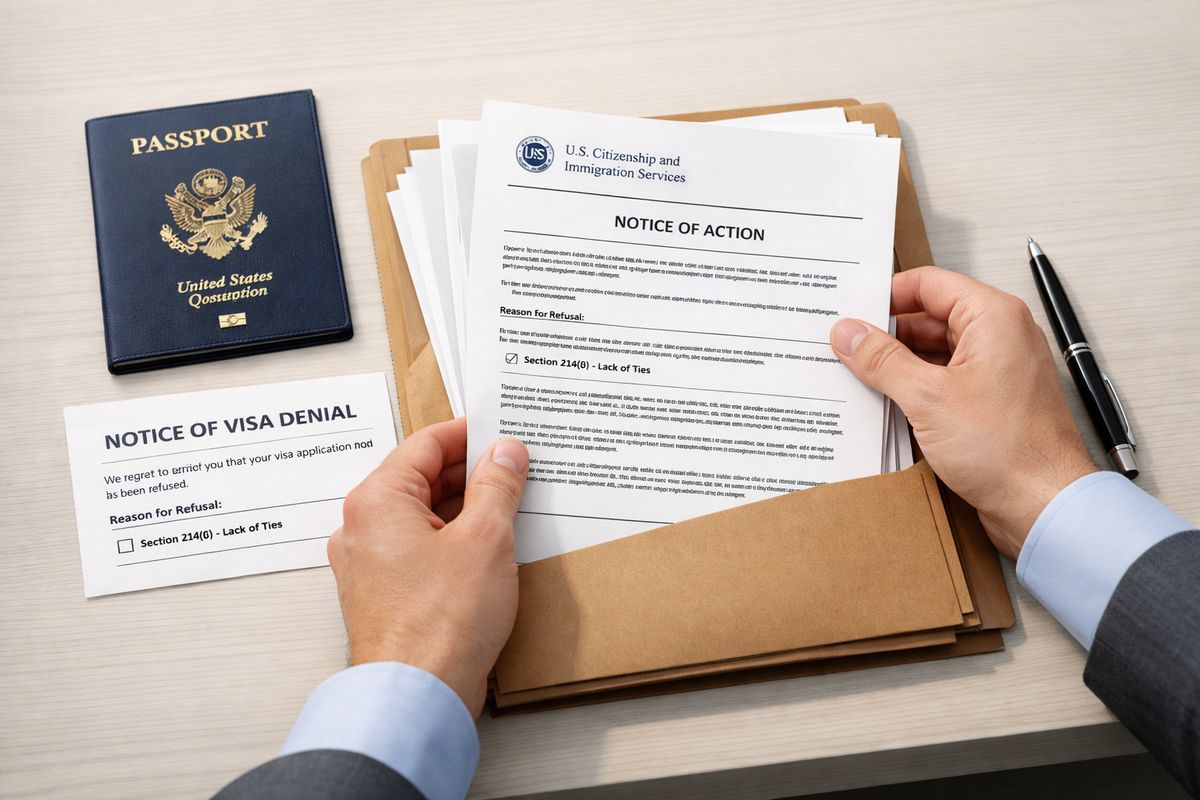
Start by keeping every paper, email, receipt, and passport notation connected to the case. If you got a refusal sheet at the consulate, save it flat and readable. If the decision came by mail or through a USCIS notice, keep the full notice, including the pages that look boring. The boring page often has the deadline.
Then read the denial notice line by line. Not skim. Read. Look for the section of law, the stated reason, and any instruction about sending more documents, filing a motion, or waiting for further contact. The denial reason controls your next step. That is the direct rule here, and it saves people from a lot of expensive mistakes.
Understand what kind of “denial” you actually got
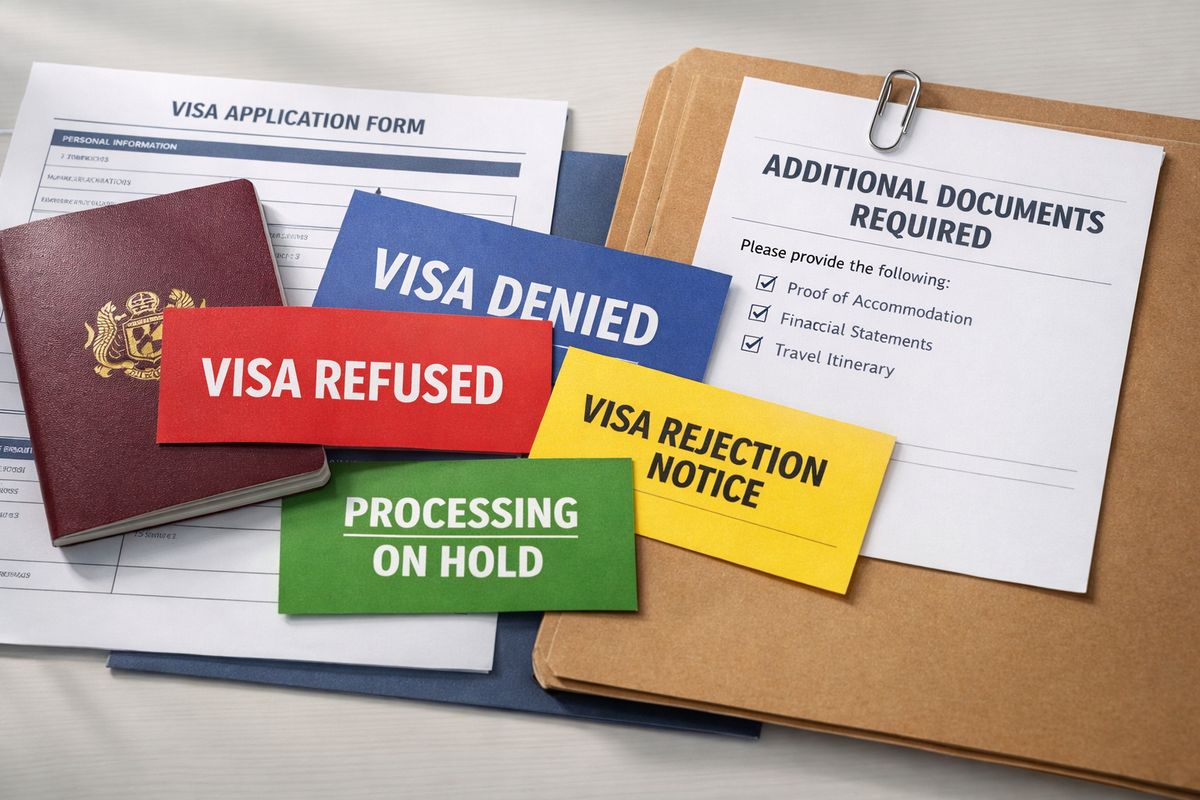
One of the biggest problems after a bad visa result is vocabulary. “Denied,” “refused,” “administrative processing,” and “missing documents” get thrown around like they mean the same thing. They do not.
Visa refusal vs. administrative processing vs. missing documents
A true refusal means the officer decided the visa could not be approved based on the law and the information in front of that officer. A 221(g) notice often means the case is not finished yet. It can mean more documents are needed, more background checks are pending, or the file needs additional internal review. That is frustrating, but it is not always the end of the road.
Color slips can add to the confusion. A blue, white, or yellow paper from a consulate may signal different things depending on the post. In one place it can mean “send these documents.” In another, it can mean “administrative processing continues.” That is why the wording matters more than the paper color.
Immigrant visa vs. nonimmigrant visa denials
A visitor, student, or temporary work visa denial often follows a different path than a family-based immigrant visa or employment-based immigrant petition. A B-1/B-2 or F-1 refusal at a consulate may have no formal appeal route at all, while a USCIS petition denial behind that visa category may allow an appeal or motion.
That split matters in employment cases too. If a business visa strategy failed because the wrong category was chosen, the better answer may be a different path altogether, such as comparing business investor and extraordinary ability options instead of forcing the same filing again.
Read the denial notice like a road map
The denial notice is not just bad news. It is instructions, even when it feels cold and vague.
Look for three things. First, the legal basis, usually a citation to the Immigration and Nationality Act. Second, the facts the officer says were missing, inconsistent, or disqualifying. Third, any next-step language about motions, appeals, waivers, document submission, or timelines.
Common denial grounds you may see
Some of the most common grounds include INA 214(b), usually tied to failure to show strong enough nonimmigrant intent for temporary visas, and INA 221(g), often used for document requests or administrative processing. You may also see concerns tied to fraud or misrepresentation, public charge issues, unlawful presence, criminal history, insufficient financial support, or incomplete supporting documents.
Each of those points to a different fix. Missing bank records is one problem. A fraud finding is a completely different problem.
Why the denial code matters more than the wording
The short explanation given at an interview window can be incomplete. Sometimes it is one sentence through thick glass in a noisy room at 8:40 on a Monday morning. The legal code on the notice is usually more useful than the spoken summary.
That is why guessing is dangerous. If the legal reason is unclear, getting help with an immigration case that was denied can keep you from choosing the wrong response and wasting months.
The most common reasons visas get denied
Most denials fall into four buckets: weak evidence, credibility concerns, legal ineligibility, or bad timing. Figuring out which bucket fits your case makes the next step much clearer.
Weak supporting documents
A case can fail because documents were missing, stale, inconsistent, untranslated, or just too thin to prove the point. Financial evidence is a repeat offender. So are sponsor documents with missing tax records, outdated employment letters, and forms that do not match each other on dates or addresses.
Think of supporting evidence like a receipt. If the officer cannot clearly see what was bought, when, and by whom, confidence drops fast.
Interview answers that created doubt
Sometimes the paperwork looked fine, but the interview went sideways. Maybe your answer about your job changed slightly from the form. Maybe your travel purpose sounded vague. Maybe nerves made you talk too much and drift into details that contradicted earlier statements.
That does not automatically mean you lied. It means the officer had doubts. The practical fix is not shame. It is preparation, clarity, and consistency.
Eligibility problems that documents alone cannot fix
Some cases involve harder legal barriers: prior overstays, unlawful presence, prior removal, criminal records, or past immigration violations. In those situations, better bank statements will not solve the issue. You may need a waiver, a motion, or a different strategy.
If your problem overlaps with removal history, understanding the line between an immigration lawyer and removal-focused help can matter a lot, because the case may be bigger than the visa interview itself.
Can you appeal a visa denial?
Sometimes yes. Often no. That is the honest answer.
An appeal means asking a higher authority to review a decision and decide whether it was wrong under the law or facts. But many visa denials at U.S. consulates, especially temporary visa refusals, do not come with a normal appeal path.
When an appeal is actually available
Appeals are more common with USCIS decisions, such as certain petition denials, revocations, or administrative decisions tied to immigrant petitions or work-based classifications. In those cases, the notice may identify a form, filing location, and deadline for appeal or motion practice.
This comes up in employment and extraordinary ability cases more often than people expect. If a petition was denied because evidence did not meet the standard, reviewing the exact category requirements, such as what counts in an extraordinary ability filing, can help you decide whether to appeal or rebuild.
When an appeal is not available
Many consular denials do not allow a formal appeal. A classic example is a 214(b) refusal for a visitor or student visa. You usually cannot appeal that decision to a higher consular authority in the same way you could appeal a USCIS petition denial.
But “no appeal” does not mean “no options.” It may mean you need to reapply with stronger evidence or wait until your circumstances actually change.
Motions, reconsideration requests, and advisory reviews
In some cases, the better tool is not an appeal at all. A motion to reopen asks the decision-maker to look again because of new facts or evidence. A motion to reconsider argues the decision was legally wrong based on the existing record. Some matters allow supervisory review or additional submissions after a request for evidence or 221(g) notice.
The trick is choosing the right tool. Fast is not the same as smart.
Refiling after a visa denial: when it makes sense and when it backfires
Reapplying can work. Reapplying blindly usually does not.
A second filing makes sense when something real has changed: stronger finances, corrected forms, new supporting documents, resolved legal issues, updated employment, better relationship evidence, or a waiver approval. If nothing material changed, a new application often gets the same result with a new filing fee attached.
When you can reapply right away
Some denials allow immediate reapplication, especially when the problem was missing paperwork, an incomplete application, or a temporary weakness that you can actually fix. Certain nonimmigrant refusals also allow a fresh application without a formal waiting period.
The key phrase is “actually fix.” Submitting the same DS-160 with the same evidence a week later is not a fix.
When you should wait before filing again
Sometimes speed works against you. If you need stronger financial records, proof of ties abroad, corrected employer information, or time for administrative processing to finish, waiting can make the next case much better.
That is especially true when your strategy involves a different visa path. For example, an intracompany transfer or employment-based case may need a better petition foundation before any interview happens, whether that means reviewing how a company transfer case is built or cleaning up sponsorship records first.
What needs to be different the second time
The second filing should answer the first denial directly. That may mean corrected forms, better bank records, a clearer trip purpose, updated job letters, explanation affidavits, stronger sponsor evidence, or proof that a legal issue was resolved. If the first denial pointed to intent, your new evidence should show intent. If it pointed to finances, show finances. Simple.
Visa denial deadlines you cannot afford to miss
Deadlines in immigration law are sneaky. Miss one, and a fixable case can get much harder for no good reason.
Appeal and motion deadlines
USCIS appeals and motions often have short windows, sometimes counted from the date on the notice, not the date you finally opened the mail. The exact deadline depends on the form and case type, which is why the notice matters so much.
A late filing may be rejected even if your argument is strong. That is brutal, but common.
Reapplication timing and wait periods
Some denials have no formal waiting period. Others involve bars triggered by unlawful presence, prior removal, or fraud findings. And sometimes there is no legal bar, but a practical one, because your evidence is still weak. That is the difference between “can reapply” and “should reapply.”
Deadlines for 221(g) and document submissions
A 221(g) request usually comes with an instruction about how and when to send documents. If you ignore it or miss the submission window, the case can sit, expire, or be terminated depending on the post and timing. If your matter also touches removal risk or prior enforcement action, learning what a notice to appear means in immigration court can help you spot when a visa issue is turning into something more serious.
How to build a stronger case before you try again
A stronger case is not a thicker stack of paper. It is a cleaner answer to the officer’s exact concern.
Gather the evidence that answers the exact denial reason
Match each new document to the reason for the denial. If the issue was ties to your home country, show stable work, property, caregiving duties, school enrollment, or return commitments. If the issue was funding, provide current statements, sponsor proof, tax records, and a clear source of funds. If the issue was relationship proof, focus on credible, dated evidence that actually shows the relationship.
Random extra documents rarely help. Targeted documents do.
Check your prior forms for inconsistencies
Small mismatches can become big credibility problems. Dates of travel, addresses, employment history, marital history, prior names, prior visa answers, and petition details should line up across every filing. DS-160s, I-130s, I-129Fs, employer letters, and support affidavits should tell the same story.
Prepare for the next interview differently
Practice giving short, truthful, direct answers. Bring organized documents in the order you are likely to need them. Know your dates. Know your sponsor’s details. Know why you are traveling and what happens after the trip ends.
That matters whether your interview window is in Mumbai, Ciudad Juárez, or anywhere else. A calm, consistent interview can fix the kind of doubt that messy answers create.
When a waiver may be part of the next step
A waiver is permission to move forward despite a legal problem that would otherwise block approval. Not every denial can be waived, and not every applicant qualifies.
Denials tied to inadmissibility
Waivers often come up in cases involving fraud findings, unlawful presence bars, certain crimes, prior removals, and some health-related grounds. In those cases, the issue is not just missing paperwork. The law itself blocks approval unless an exception or waiver applies.
Why waiver cases usually need legal strategy
Waiver cases turn on legal standards and persuasive evidence, often including hardship proof, timelines, and careful explanation of past events. A rushed filing can make the problem harder, not easier.
That is usually the point where figuring out whether legal help is worth it stops being theoretical. It becomes a real cost-saving move, because the wrong filing can burn time you do not get back.
Mistakes that can make a visa denial worse
Some mistakes are common because panic makes people act fast. Unfortunately, immigration law is not forgiving about that.
Reapplying with the same facts and the same evidence
If nothing changed, the result often does not change either. A repeat refusal can create a pattern that becomes harder to explain later. New filing fees do not create new eligibility.
Guessing instead of checking the legal reason
Advice from a cousin, a social media thread, or somebody with a “similar” case can send you in the wrong direction fast. Immigration cases look alike on the surface and differ completely underneath.
Hiding prior denials or changing your story
Always disclose prior denials honestly on future applications. Trying to bury an old refusal or tweaking facts to sound better can trigger misrepresentation problems, which are much worse than the original issue.
When to talk to an immigration lawyer after a visa denial
Some denials are paperwork problems. Some are legal problems wearing paperwork clothes. Knowing the difference can save months.
Situations that call for a lawyer right away
Get legal help quickly if your denial involves fraud or misrepresentation, criminal history, unlawful presence, prior removal, waiver issues, repeated denials, petition revocation, or a short appeal deadline. Those cases can spiral if handled casually.
What to bring to the first consultation
Bring the denial notice, refusal sheet, interview instructions, prior applications, receipts, passport stamps, court records if any, sponsor documents, and a simple timeline of what happened. If you are comparing counsel, reviewing a few smart questions before hiring someone can help you avoid choosing based on panic alone.
What a lawyer can do that a quick refiling cannot
A good lawyer can spot hidden eligibility issues, track deadlines, analyze waiver options, fix inconsistencies, prepare evidence strategically, and help you choose the right remedy instead of the fastest one.
Schedule your call here to learn more about your immigration status and visa options: schedule your consultation. At Gondim Law, attorneys speak English, Portuguese, and Spanish and bring more than 30 years of experience to help you navigate your next steps. You’ll also have the opportunity to speak with Founder Attorney Marcelo Gondim about your case.
Quick answers to common questions after a visa denial
Will a visa denial affect future applications?
Yes, it can. Future applications usually ask about prior denials, and officers may review what happened before. The impact depends on the reason for the denial and what changed afterward.
How soon can you apply again after a denial?
That depends on the denial type. Some cases allow immediate reapplication, while others involve waiting bars, waivers, or the need to fix evidence before trying again. Fast is only useful if the weakness is truly fixed.
Is 221(g) a denial?
Often it is a temporary refusal or hold pending more documents or further review. It is not always a final rejection, which is why the exact notice language matters so much.
Should you reapply or appeal?
Appeal if the process allows it and the decision was legally wrong. Reapply if the issue is factual, document-based, or otherwise fixable with stronger evidence or changed circumstances.
What should you do first today?
Pull out the denial notice and find the exact code or legal reason before doing anything else. That one step will shape every smart move that follows.
Frequently asked questions
Can a visa be approved after an initial denial?
Yes, in some cases. A 221(g) case may be approved after documents or security checks are completed. A true refusal can also be overcome later if you fix the problem, submit stronger evidence, or qualify for a waiver.
Is a consular officer’s decision final?
Often, for many consular nonimmigrant visa refusals, there is no formal appeal in the normal sense. But final does not always mean permanent. A new application or different legal strategy may still work if the facts change.
Does a visa denial mean fraud is suspected?
No. Many denials have nothing to do with fraud. Cases are denied every day for missing documents, weak financial proof, unclear travel purpose, or failure to show temporary intent. Fraud concerns are more serious and should be addressed carefully.
Should you use the same documents again after a denial?
Only if those documents still answer the problem clearly. If the original evidence was weak, incomplete, outdated, or inconsistent, sending the same packet again usually leads to the same outcome.
When is the second application actually stronger?
It is stronger when it directly solves the first denial reason. That might mean better finances, corrected forms, cleaner timelines, stronger sponsor proof, resolved legal issues, or a different visa category that fits your situation better.
The one move that changes everything
Before you reapply, appeal, or pay another fee, identify the exact legal reason for the denial and build your response around that. That single step separates a smart second try from an expensive repeat of the first one.