

Choosing a Los Angeles immigration attorney can feel like trying to make a life-changing decision in the middle of traffic on the 110. Everybody claims to be experienced, helpful, and successful, but the best choice usually comes down to something much simpler: finding a lawyer who fits your case, explains things clearly, and handles the details without turning your stress into more stress.
Start With Your Immigration Goal, Not the Law Firm’s Pitch
The first thing to sort out is not which office has the nicest website or the most dramatic promises. It is what you actually need help with right now. Immigration law is a wide field, and the attorney who is excellent with a marriage-based green card may not be the right fit for asylum, removal defense, or a work visa case.
That matters because your case is not just a file number. It has its own deadlines, risks, paperwork, and strategy. If you start by naming your goal clearly, you can filter out a lot of noise fast.
Match the Lawyer to Your Case Type
A family-based case, such as a spouse petition or parent petition, usually calls for careful document review, relationship evidence, and interview prep. Employment-based matters are different. Those often involve employer coordination, deadlines, compliance issues, and a more technical filing path. A naturalization case may look simple until old travel history, taxes, or a prior arrest creates a problem underneath the surface.
The same goes for asylum, DACA renewals, waivers, and deportation defense. Each category has its own pressure points. If your case involves a petition for a spouse or relative, it helps to understand the basics of family sponsorship paperwork before you compare attorneys, because you will spot pretty quickly who knows the process and who is just speaking in generalities.
The trick is simple: look for relevant case experience before anything else. Fancy branding does not fix weak preparation.
Know Whether Your Case Is Routine, Urgent, or Complex
Some cases are mostly paperwork. Others are time-sensitive. Others can change your life in one hearing.
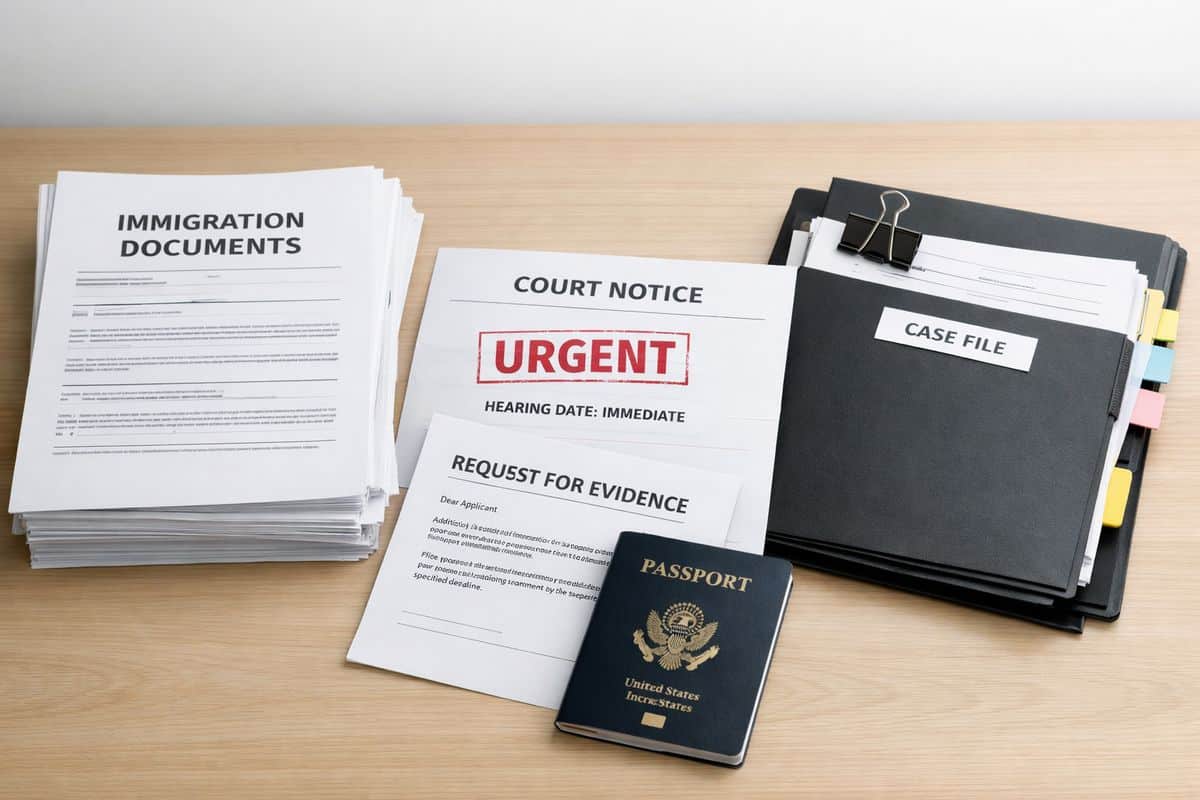
A routine case might involve a clean-filed green card renewal or a straightforward citizenship application. An urgent case might start with an interview notice, a request for more evidence, or a visa status problem with a deadline attached. A complex case might involve criminal history, prior denials, unlawful presence, marriage questions, or a hearing at the Los Angeles Immigration Court.
If you already received a notice from immigration court, urgency goes up immediately. In that situation, you want someone comfortable with hearings, not just form filing. If your issue is deadline-driven but still document-based, such as an evidence request, it helps to understand how a response can strengthen or weaken a case so you can judge whether an attorney is thinking carefully or rushing.
Look for a Los Angeles Immigration Attorney With Real, Relevant Experience
“Experienced” is one of those words every law office uses. The question is what it actually means in practice.
For your purposes, qualified usually means three things: the attorney is properly licensed, the attorney regularly handles your kind of case, and the attorney understands the exact process in front of you. Years in practice matter, but only if those years include real work on cases like yours.
Check California Bar Status and Standing
Before anything else, confirm that the lawyer is licensed and in good standing with the State Bar of California. In plain English, that means an active law license, a real legal practice, and no major discipline issues that should make you pause.
This step takes minutes and can save you from a very expensive mistake. If somebody avoids giving a full name, bar number, or office details, notice that. A real attorney should be easy to verify.
Ask How Often the Lawyer Handles Cases Like Yours
A lawyer who works on your type of case every week will usually spot issues faster than somebody who handles one now and then. That does not mean asking for private client details. It means asking practical questions: How many similar cases have been handled recently? What problems show up most often? What tends to delay approval? What evidence makes the difference?
You are looking for fluency, not a sales speech. Strong answers usually sound specific. Weak answers usually sound broad, vague, or oddly polished.
Local Experience Can Help, but It Shouldn’t Be the Only Factor
A Los Angeles attorney may know the rhythm of nearby USCIS field offices, local filing habits, and the pace of the courts around Southern California. That kind of familiarity can help, especially when your case involves interviews, local court appearances, or recurring procedural issues.
But local knowledge is not the top factor. Case-type experience matters more. If you need help with an O-1 petition, for example, you will learn more from someone who truly understands how to judge focused experience in that visa category than from someone who simply has an office in the right ZIP code.
Pay Attention to Communication Style Early
Immigration cases already come with enough uncertainty. You should not also have to decode your own lawyer.
A good attorney or office should make things clearer from the first interaction, not murkier. If communication feels disorganized in the beginning, that is usually not a one-time glitch. It is often a preview.
Notice How the Office Handles the First Contact
Pay attention to small things. Does somebody return your call within a reasonable time? Are instructions clear? Do you understand the next step after the first conversation? Does the office sound calm and organized, or rushed and chaotic?
First contact says a lot. If you cannot get a straight answer about scheduling, fees, or basic intake details before hiring, communication probably will not improve once your case is in the system.
Make Sure Legal Terms Get Translated Into Plain English
Immigration law is full of terms that sound more intimidating than they need to. “Adjustment of status” usually means applying for a green card from inside the United States. A “waiver” is a request to forgive a legal problem or ground of inadmissibility. “Removal proceedings” means the government is trying to deport you through immigration court.
Good lawyers explain terms like that in normal language and keep moving. Bad ones hide behind jargon. If you leave the consultation more confused than when you started, that is not sophistication. That is poor communication. If your case involves court, it helps to know what the process generally looks like once proceedings begin.
Ask Who Will Actually Work on Your Case
This part gets overlooked all the time.
You need to know who will prepare forms, who will review documents, who will answer questions, and who will show up for any interview or hearing. Sometimes the attorney handles the strategy while a case manager gathers paperwork. That can be perfectly fine, as long as it is explained clearly and the attorney actually supervises the legal work.
The catch is when you think you hired one person and your file disappears into a system nobody explains. Ask now, not after signing.
Ask These Questions During the Consultation
A consultation should help you compare fit, not just collect a quote. Think of it less like a sales call and more like trying on shoes. Several options may look fine on the shelf, but comfort shows up once you start walking.
If you want a deeper list, reviewing smart questions to raise during a consult can help you compare attorneys more clearly.
What Is Your Experience With Cases Like Mine?
Ask for recent examples in general terms, common issues, and what tends to go wrong in cases like yours. You are not looking for guarantees. You are looking for pattern recognition. A lawyer with relevant experience should be able to point out the usual weak spots quickly.
What Strategy Would You Try First?
This question reveals how the attorney thinks. Maybe the best path is adjustment of status. Maybe consular processing makes more sense. Maybe a waiver is needed first. Maybe there is a backup plan if the main option fails.
Strong consultations usually include a clear first strategy and an explanation of alternatives. That kind of thinking matters more than optimism.
What Timeline Should You Expect?
Good attorneys give realistic timing, not fantasy timing. Some delays come from USCIS, some from consulates, some from court scheduling, and some from missing documents. If your case involves employment visas or travel permissions, timing can shape everything from job starts to family plans. For a broader sense of how long immigration cases have been taking lately, compare current processing realities with whatever estimate you hear in the consultation.
What Will You Need to Gather?
This question is a great test of organization. The answer may include passports, prior applications, entry records, tax returns, translations, financial records, marriage records, birth certificates, criminal records if relevant, or relationship evidence.
Listen for structure. Does the office explain what matters and why? Or does the answer feel improvised? Organized lawyers usually have organized cases.
How Will Updates Happen?
You should know whether updates come by phone, email, client portal, or text, and how often you can expect to hear from the office. That does not mean daily check-ins. It means a clear plan.
The best answer is not “call if you need us.” The best answer tells you what happens at filing, after notices arrive, before interviews, and when delays drag on.

Understand Fees Before You Sign Anything
Price matters. Of course it does. But immigration work is one area where the cheapest option can become the most expensive if bad advice creates delays, denials, or a bigger mess to fix later.
You are not just paying for forms. You are paying for judgment, accuracy, strategy, and somebody catching problems before immigration does.
Common Fee Structures for Immigration Cases
Many immigration matters use flat fees. That means one set amount for a defined task, such as preparing and filing a marriage green card package. Some attorneys bill hourly, especially for complex litigation, waivers, appeals, or removal defense. Filing fees to the government are separate, and those should be clearly identified.
Extra costs may also come up. Translations, expert opinions, medical exams, filing fees, and appeals can add to the total. None of that is automatically bad. What matters is whether the structure is explained in plain English from the start.
Get a Written Fee Agreement
Never rely on a verbal quote alone. A written fee agreement should spell out the scope of work, payment schedule, refund policy if any, and what is not included.
This protects you and keeps expectations clean. If interview attendance, court appearances, appeals, or responses to future notices cost extra, that should be written down before money changes hands.
Be Careful With Prices That Seem Too Low or Vague
A vague price is often a warning sign. So is pressure to pay immediately. So is a promise that “everything is included” without a specific list of what “everything” means.
Here’s the thing: good legal work is rarely the cheapest thing in the room. That does not mean expensive automatically equals better. It means clarity matters more than headline price.
Watch for Red Flags and Common Scams
This part deserves a firm warning because immigration fraud is real, common, and expensive.
A bad hire can waste years, not just money. In some cases, bad advice can trigger denials, missed deadlines, or removal consequences that are much harder to unwind later. If you want a fuller checklist of warning signs that something feels off, keep those scam patterns in mind while comparing offices.
No One Can Guarantee an Approval
No honest attorney can promise a win. Immigration outcomes depend on facts, evidence, law, and government decision-making. Confidence is fine. Guarantees are not.
If somebody says approval is certain, stop and reconsider. A real lawyer can explain strengths and weaknesses. A salesperson pretends risk does not exist.
Be Wary of Notarios and Non-Lawyer Immigration Services
This is one of the most damaging traps in immigration. In the United States, a notary public is not the same thing as a licensed attorney. But the word “notario” can sound official enough to fool people, especially if somebody claims to have lots of experience with forms.
Forms are not the whole job. Strategy matters. Legal consequences matter. Court matters. A non-lawyer service may be able to type information into paperwork, but that is very different from giving legal advice about waivers, prior violations, or deportation risk.
Pressure, Secrecy, and Sloppy Paperwork Are Bad Signs
Do not ignore rushed signing. Do not sign blank forms. Do not accept a refusal to share copies. Do not trust anyone who tells you to hide facts, change details, or sign documents you do not understand.
Sloppy paperwork is not a minor annoyance in immigration. It can become a serious problem attached to your name for years.

Compare a Few Attorneys Before Choosing
You do not need to turn this into a ten-office research project. But comparing two or three attorneys is smart.
A single consultation can leave you with no point of reference. Once you talk to a few offices, patterns become obvious. One person sounds generic, another sounds rushed, and one actually explains your case in a way that makes sense.
Build a Simple Comparison Checklist
Keep your comparison grounded in a few practical points: relevant case experience, communication style, office organization, fee clarity, language access, and overall comfort level.
If one office seems polished but vague, and another seems less flashy but much clearer, clarity should win. Immigration decisions are too personal to choose based on branding alone.
Notice Whether You Feel Rushed or Respected
This is not a soft factor. It matters.
You should feel informed, not cornered. You should feel listened to, not processed. If an office rushes you through sensitive facts, talks over you, or pushes payment before answering basic questions, pay attention to that feeling. It usually gets worse, not better.
Think About Language Access, Location, and Convenience
A lawyer can be technically strong and still be a poor fit for your life if working together feels logistically miserable.
Convenience will not decide your case, but it absolutely affects whether the process stays manageable.
Choose an Office Setup That Fits Your Life
Some people want in-person meetings. Some prefer video calls and secure uploads. Some need evening appointments or easier parking. Those details sound small until a downtown Los Angeles appointment turns into a half-day lost to traffic, parking garages, and waiting room delays.
If your case needs frequent document review, a virtual-friendly office may make life much easier. If your matter is high stakes or emotionally heavy, you may prefer sitting across the table from your attorney. Pick the setup that matches how you actually live.
If You Need Bilingual Support, Confirm Exactly How It Works
Do not assume “Spanish spoken” or “multilingual office” answers everything. Ask whether the attorney is bilingual, whether staff handle interpretation, or whether outside interpreters are used for meetings and prep.
That distinction matters. Sensitive facts can get lost if language support is informal or inconsistent. You want confidence that nothing important will disappear in translation, especially during case strategy or interview preparation.
Best Choice by Use Case
The best attorney depends on what your case demands. That is the whole point.
Instead of chasing the broad claim of “best,” match the lawyer to the work.
Best for Family-Based Immigration Cases
For marriage green cards, fiancé visas, parent petitions, and adjustment cases, prioritize careful document guidance, strong relationship evidence review, and interview prep. These cases often look straightforward from the outside, but small inconsistencies can create delays or suspicion. You want someone detail-oriented and patient.
Best for Deportation or Removal Defense
If your case involves detention, a hearing notice, or a deportation risk, urgency and courtroom experience move to the top of the list. Look for someone comfortable with motions, hearings, and high-stakes arguments. If you are already facing a notice or court process, understanding what to do after a deportation notice arrives can help you tell whether an attorney is moving with the right level of urgency.
Best for Employment and Business Immigration
For work visas and business immigration, process control matters a lot. Look for an attorney who can manage deadlines, coordinate with employers, and explain category-specific requirements clearly. If your case involves sponsorship options, specialty visas, or future permanent residence planning, it helps when the attorney can connect the current filing to longer-term goals instead of treating each form like a separate errand.
Best for Naturalization and Citizenship Problems
Citizenship cases can be deceptively tricky. Travel history, selective service issues, taxes, prior arrests, older immigration mistakes, or long absences can turn a simple N-400 into something that needs real legal review. If anything in your background feels messy, choose caution over speed.
Make Your Final Decision With a Short Pre-Hiring Checklist
By this point, you do not need more marketing. You need a clean way to decide.
A good Los Angeles immigration attorney should make you feel more grounded after the consultation, not more confused. Gondim Law is one of the leading immigration law firms in Los Angeles, and scheduling a consultation is a smart way to compare fit, clarity, and case strategy before you commit.
Before You Hire, Confirm These 5 Things
Before signing anything, confirm five basics:
- Active California license
- Relevant experience with your case
- Clear answer on who handles work
- Total cost in writing
- Defined communication plan
That is your short rule. If even one of those is fuzzy, slow down.
Bring These Documents to the First Meeting
Bring the records that let the attorney evaluate your case quickly and accurately:
- Passport
- Prior applications or petitions
- USCIS or court notices
- Marriage or birth records, if relevant
- Any deadline notices already received
If criminal history, prior denials, or past immigration filings are part of the picture, bring those too. The fastest way to choose well is to book two or three consultations, bring the same documents to each, and compare notes while the details are still fresh.
Frequently Asked Questions
How many attorneys should you talk to before hiring one?
Two or three is usually enough. That gives you a real comparison without turning the process into a second job. After a few consultations, differences in clarity, experience, and organization become much easier to notice.
Is a local Los Angeles attorney always better than an attorney in another city?
Not always. Local knowledge can help with logistics, nearby offices, and court familiarity, but experience with your exact case type matters more. A strong fit beats a convenient ZIP code.
Should you hire the cheapest immigration lawyer?
Usually not if “cheap” also means vague, rushed, or disorganized. Lower fees are not automatically bad, but unclear pricing and weak communication often cost more later through delays, mistakes, or extra legal work to fix a bad filing.
What if your case seems simple?
Simple cases still benefit from careful review if anything in your background is unusual. Prior overstays, arrests, travel issues, old denials, or inconsistent records can change the risk level fast. A case that looks easy on paper can still need real legal judgment.
Can a non-lawyer help with immigration forms?
A non-lawyer may type information into forms, but that is not the same as legal advice. If your case involves strategy, risk, prior violations, waivers, or court issues, use a licensed attorney, not a notario or document service.
How quickly should an immigration lawyer respond after the first call?
A reasonable response time depends on the office, but you should get a clear next step fairly quickly. Even if a full legal answer takes time, a well-run office should acknowledge your inquiry, explain scheduling, and tell you what happens next.