

Figuring out whether you qualify for an O-1 visa extraordinary ability case can feel strangely personal. You know what you’ve built, published, won, led, or created, but immigration law asks a different question: can you prove that your work rises to an unusually high legal standard, on paper, in a way USCIS will accept?
If you want the short version, the O-1 is a temporary work visa for people with extraordinary ability or achievement in specific fields. That does not mean “successful” in the everyday sense. It means your record shows sustained recognition and a level of distinction that stands out in your field.
What the o-1 visa for extraordinary ability actually covers
The O-1 visa covers people whose work is well above ordinary professional success. In plain English, it is for professionals, artists, performers, founders, researchers, athletes, and other high achievers whose accomplishments are recognized beyond a single employer or a single good year.
Here’s the thing: plenty of impressive people still do not meet the standard yet. USCIS is not grading talent in the abstract. It is looking for documented proof that your reputation, impact, and recognition have reached a national or international level.
Early on, it helps to know what this visa is and is not. It is not a popularity contest, and it is not a simple résumé review. It is a legal case built from evidence.
O-1A vs. o-1B: which track fits your work
O-1A generally covers science, education, business, and athletics. If your background involves research, executive leadership, startup growth, patents, industry awards, or athletic performance, this is usually the lane to examine first.
O-1B is for the arts, and for extraordinary achievement in motion pictures or television. If your work is tied to film credits, productions, gallery work, performances, direction, design, or similar creative fields, this track may fit better.
The distinction matters because the evidence and framing can shift depending on the category. A startup founder in Austin and a television editor in Los Angeles may both be strong candidates, but the case theory will not look the same.
Where the o-1 fits in your bigger immigration plan
Many people pursue the O-1 because it can move faster than some employment-based options and because it works well for careers that do not fit a standard corporate transfer. If you are comparing routes, it helps to understand how this stacks up against other visa paths built for investment or talent-based work.
It also often serves as a bridge. For some people, the O-1 is the practical next step before exploring a green card strategy later.

The core o-1 visa extraordinary ability requirements
At the center of every O-1 case is one simple question: does your evidence show extraordinary ability under the law? USCIS looks at the whole record, not just one shiny accomplishment.
The basic framework includes sustained acclaim, qualifying work in the United States, a proper petitioner, and supporting documentation that matches the legal criteria. If one part is weak, the whole case can wobble.
The big standard: sustained national or international acclaim
This phrase sounds dramatic, but the meaning is pretty grounded. USCIS wants to see that your achievements have been recognized over time, and that the recognition reaches beyond your immediate workplace or client list.
One article, one conference appearance, or one award is often not enough by itself. A stronger case shows a pattern: repeated recognition, respected roles, measurable impact, and outside validation.
The job offer, petitioner, and U.S. work requirement
The O-1 is tied to work in your area of extraordinary ability, and it requires a U.S. petitioner. That petitioner might be an employer or an agent, depending on your work structure.
The catch is that this is not a classic self-petition category. If you are a freelancer, founder, or someone with multiple projects, structuring the petition correctly matters a lot.
Advisory opinion and why it matters
Most O-1 filings require a consultation letter from a peer group, labor organization, or management organization in the field. This is often called the advisory opinion.
Its job is to confirm that your field recognizes the type of work and level of achievement being presented. It is one more reason rushed filings create problems that could have been avoided.
How you prove extraordinary ability with evidence
This is where strong cases are won. Talent opens the door, but evidence gets the approval.
There are two broad ways to qualify: show a major internationally recognized award, or satisfy several evidentiary criteria with strong supporting documents. Most applicants use the second path.
Option 1: a major internationally recognized award
A single major award can carry an O-1 case if it is prestigious enough. Think of awards that instantly signal top-tier recognition in your field, not routine company honors or local participation trophies.
For most people, this is not the path. And honestly, that is normal.
Option 2: meeting the evidentiary criteria
Most O-1 cases are built by matching evidence to the regulatory criteria. The trick is not sending a giant stack of PDFs and hoping the officer connects the dots. Every document needs a job to do.
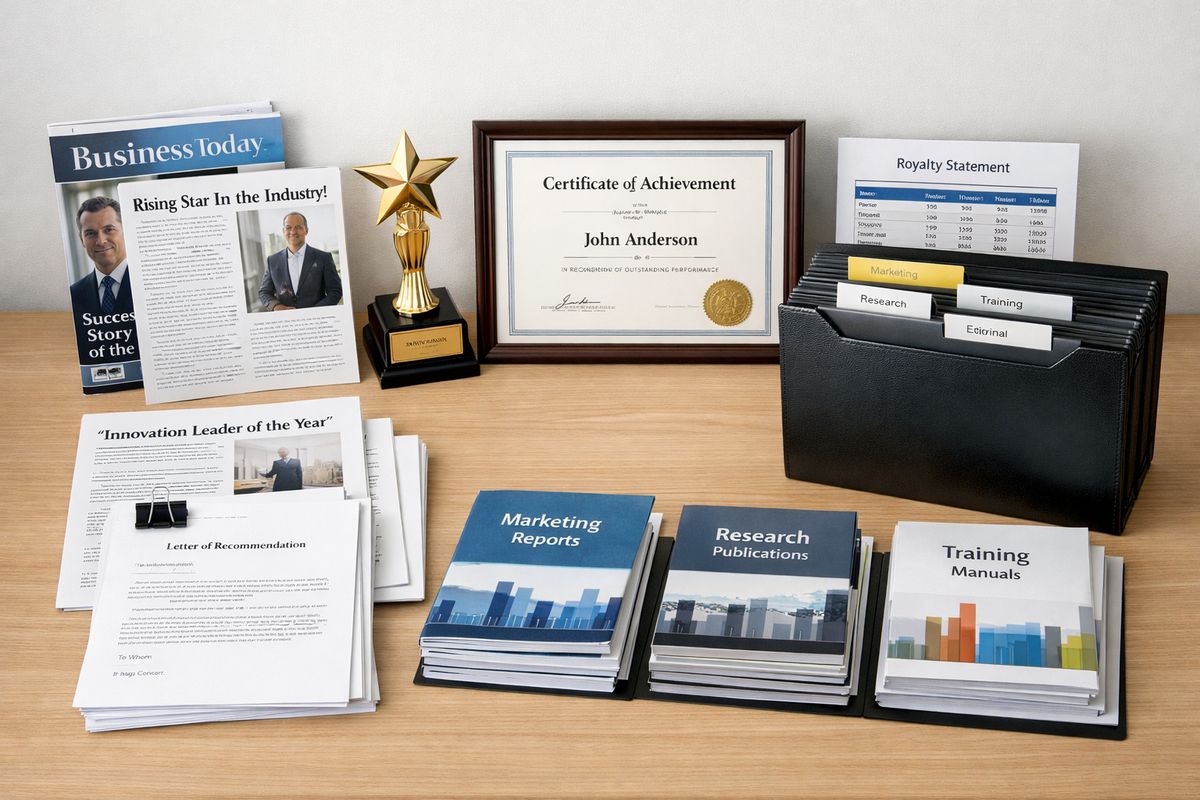
Common evidence can include recognized prizes, selective memberships, published material about you, judging the work of others, original contributions, authorship, critical roles, high pay, and commercial success where relevant.
Common types of evidence that strengthen an o-1 case
Good evidence has context. An award should come with proof of what it means. A media feature should show the publication’s reach. A salary record should show why your compensation stands out in the market.
That is why case framing matters as much as the evidence itself. If you are still deciding whether legal guidance changes the outcome in a case like this, the answer is usually yes when the facts are strong but uneven.
How to show “original contributions of major significance”
This is one of the most misunderstood criteria. USCIS is not asking whether you did your job well. It is asking whether your work changed something meaningful in the field.
Strong proof can include expert letters explaining your impact, citation records, adoption of your methods, notable press, revenue tied to your innovation, or measurable industry results. If your work solved a problem others struggled with, say that clearly and back it up.
How to document critical roles and distinguished organizations
Job titles alone rarely carry much weight. “Director” or “lead” looks nice, but USCIS wants proof that your role was important and that the organization itself is respected.
That can mean showing funding, rankings, press coverage, market position, major clients, research reputation, distribution reach, or other markers of distinction. Then connect your role to outcomes that mattered.
Why recommendation letters need to do more than praise you
A strong letter should explain who the writer is, how the writer knows your work, why your contributions matter, and which legal criteria the facts support. A weak letter just says you are brilliant and hardworking.
Think of each letter as a map. It should guide the officer to a conclusion, not just cheer from the sidelines.
The o-1 application process step by step
The process feels less intimidating once you break it into stages. That matters, because a rushed case often turns a good profile into a messy filing.
Building the case before anything gets filed
Start by choosing the right O-1 category, reviewing your evidence, and spotting gaps. Maybe your press coverage is thin. Maybe your awards are strong but outdated. Maybe your freelance structure needs a clean petitioner strategy.
This planning stage is where a lawyer often saves you from avoidable mistakes.
Filing form I-129 and the petition package
The petition usually includes Form I-129, filing fees, supporting exhibits, the advisory opinion, a written explanation of the case, and an itinerary if the work requires it. The legal brief is often the spine of the package because it ties facts to the law.
If you want a clearer picture of what an immigration lawyer actually handles behind the scenes, this is a good example. The filing is not just paperwork. It is argument, structure, and evidence design.
Premium processing, timing, and what to expect next
Premium processing may speed up the response time. If you are outside the United States, approval is usually followed by consular processing. If you are already here, the case may involve a change or extension of status.
If USCIS issues a Request for Evidence, that is a problem to solve, not the end of the road.
Common problems in extraordinary ability cases and how to avoid them
A lot of denials happen because the case was presented badly, not because the person lacked talent.
Confusing success with the legal standard
This is the biggest mistake. Being accomplished, well paid, or respected does not automatically equal extraordinary ability under immigration law.
A winning case translates career success into legal proof.
Submitting weak evidence without context
Screenshots, vague articles, unexplained awards, and stacks of exhibits without a clear story often fall flat. USCIS will not build your argument for you.
Trying to force the wrong criteria
Not every criterion fits every career, especially in startup, hybrid, or newer industries. It is better to build a tailored case than to chase every possible box.
Requests for evidence and denials
RFEs happen when USCIS wants more proof or finds the petition unclear. If your case is denied, understanding the practical options after a visa refusal or case setback can help you decide whether to refile, respond, or take a different route.
Special situations: o-2, o-3, extensions, and long-term planning
Once the core case is clear, the related pieces matter too.
O-2 support personnel and o-3 family members
O-2 status may be available for certain essential support personnel. O-3 is for your spouse and unmarried children.
Extending your o-1 status
Extensions are possible if the qualifying work continues. Your evidence should keep evolving too. A strong O-1 case should stay alive, not freeze at the moment of first approval.
Using an o-1 as a bridge to a green card strategy
For some people, the O-1 lines up naturally with later employment-based options. If permanent residence is part of the bigger plan, it helps to compare how different employment green card tracks are structured before making the next move.
How to tell when you need an immigration lawyer for an o-1 case
If your evidence is mixed, your career path is unusual, your filing deadline is close, or your work does not fit a neat box, legal help can make a real difference.
Signs your case needs more than a DIY checklist
Cases involving startup founders, consultants, creatives, multiple employers, old immigration issues, or thin documentation usually need strategy, not just forms. A good lawyer turns a pile of achievements into a legal case that makes sense.
What to bring to an o-1 visa consultation
Bring your résumé or CV, awards, press, publications, contracts, salary records, judging invitations, possible letter writers, and immigration history. One useful trick: put your links, scans, and PDFs into one folder before a Monday morning call so nothing gets lost in ten browser tabs.
If you are evaluating counsel, it helps to review smart questions to ask before hiring someone for your case.
Your best next step if You’re not sure you qualify yet
Start by listing your evidence under each O-1 criterion and marking the weak spots. Then get a lawyer to review the gaps before you file.
Schedule your call here to learn more about your immigration status and visa options: https://gondimlaw.com/schedule-your-consultation/. At Gondim Law, attorneys speak English, Portuguese, and Spanish and bring more than 30 years of experience to help you navigate your next steps. You’ll also have the opportunity to speak with Founder Attorney Marcelo Gondim about your case. Try one thing now: make a quick evidence list by category and bring it to the consultation.
Frequently asked questions
How many criteria do you need for an o-1 visa?
Most cases require strong evidence that fits at least several regulatory criteria, unless you qualify through a single major internationally recognized award. The real issue is not raw quantity. It is how persuasive the evidence is.
Can you apply for an o-1 without an employer?
You still need a U.S. petitioner, usually an employer or agent. Even if your work is freelance or project-based, the petition has to be structured correctly.
Is premium processing available for o-1 cases?
Yes, premium processing is often available and can shorten the USCIS response time. It does not make a weak case stronger, but it can make the timeline more predictable.
How long can you stay in o-1 status?
Initial approval is tied to the event, activity, or work period, up to the allowable period under the category. Extensions may be available if the qualifying work continues.
What if you get a request for evidence?
An RFE means USCIS wants more proof or a better explanation. It is serious, but it is not an automatic denial. The response should directly fix the weaknesses USCIS identified.