

A USCIS filing deadline is the last day your form, response, extension, or appeal can be properly submitted under the rule that applies to your case. If a fee increase is coming, that deadline suddenly stops feeling abstract and starts feeling very personal, because one missed detail can turn a ready-to-file case into a delay that costs you money and time.
What the USCIS filing deadline really means
In plain English, the USCIS filing deadline is the point at which USCIS stops treating your submission as timely under the current rules. That sounds simple, but here’s the thing: timely does not always mean “you dropped it in the mail before midnight.”
For most people trying to beat a fee increase, the real question is narrower. It is not just when you finished your packet or when the shipping label was created. It is whether USCIS counts your case as properly filed before the old fee disappears.
That phrase, “properly filed,” does a lot of work. USCIS can reject a packet that arrives on time if the fee is wrong, the form edition is outdated, the signature is missing, or the case was sent to the wrong address. In other words, the deadline is tied to acceptance rules, not just effort.
Think of it like catching a flight. Getting to the airport parking lot before departure does not mean you made the plane. You still have to be at the right terminal, with the right ID, before the cutoff. USCIS works much the same way.
Why fee increases make timing suddenly urgent
A fee increase tends to hit right when you finally have everything together. Your forms are filled out, your supporting documents are stacked on the kitchen table, and then you notice the filing cost is about to jump. That matters more than people sometimes admit.
Immigration filings are already expensive. A higher fee can mean putting the case off for another month, borrowing money, or reshuffling rent, child care, and work expenses. If your case is employer-based, delay can also affect start dates, payroll timing, or compliance planning. If your filing is family-based, it can push an already emotional process out even longer.
The direct point is simple: missing a fee-change deadline can turn a ready-to-file case into a delay you did not need.
What usually changes when USCIS raises fees
The obvious change is the base filing fee for the form itself. But that is rarely the only moving part. Some categories include a biometrics fee, some forms cost different amounts depending on whether you file on paper or online, and some related forms change at the same time.
The catch is that USCIS fee updates often come with form updates and revised filing instructions. That is where people get tripped up. A packet can be perfectly organized and still be rejected because it includes yesterday’s fee or last month’s form edition. If you are trying to get ahead of a price jump, it helps to understand what changes when filing costs go up before sealing the envelope.
Why “I mailed it before the deadline” is not always enough
Mailing date, postmark date, delivery date, and acceptance date are not the same thing. That distinction matters most when a fee increase is about to take effect.
For many filings, USCIS looks at when the package is received at the correct intake location, not when you handed it to USPS, FedEx, or UPS. Sometimes USCIS announces a grace period or a special postmark rule for a specific change, but you cannot assume that will happen every time. USCIS posts filing instructions and fee alerts on the official form page and policy guidance pages (USCIS).
So yes, dropping a package in the mail before the deadline feels like progress. But unless the rule for that particular filing says postmark controls, mailing early does not automatically lock in the old fee.
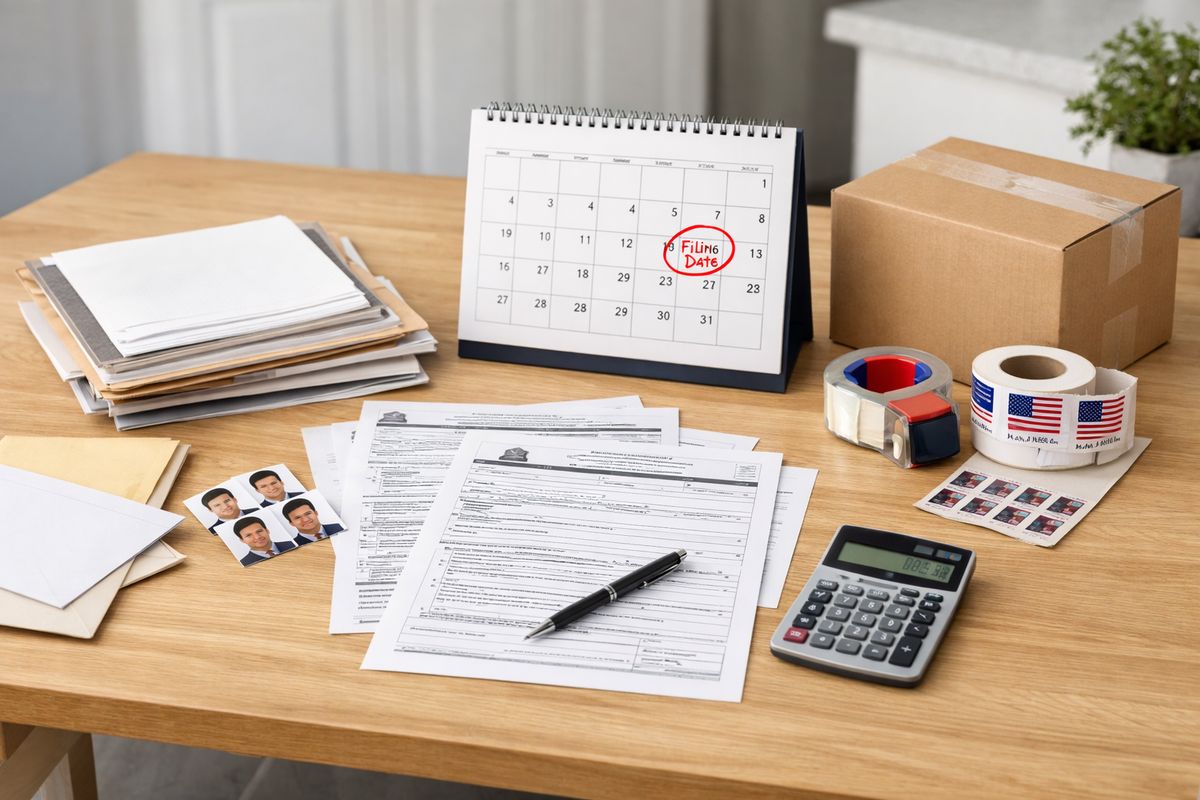
How USCIS decides whether your filing beat the deadline
USCIS does not use one single timing rule for every type of submission. The answer depends on what you are filing.
A benefit request, which is a broad USCIS term for an application or petition asking for immigration benefits, may follow one set of intake rules. A response to a Request for Evidence, often called an RFE, follows the deadline printed on the notice. A motion or appeal can have a different calculation rule and different filing location. That is why checking general advice is not enough. You need the rule that matches your exact form and situation.
The official source for filing addresses, edition dates, fee amounts, and online availability is the specific USCIS form page, not a random summary online (USCIS Forms).
Received date vs. postmark date
In many USCIS filings, the received date is what counts. That means the date USCIS actually gets your package at the proper lockbox, service center, or office. For fee increases, this is often the number that matters most.
A postmark can matter when USCIS specifically says it matters. That sometimes happens during a temporary transition period after a new fee rule takes effect. If such a grace period exists, USCIS will say so in the announcement. If there is no special instruction, assume receipt controls. For a deeper look at when mailing date helps and when it does not, it is worth reading about how the mailing stamp rule works in practice.
Online filing vs. paper filing
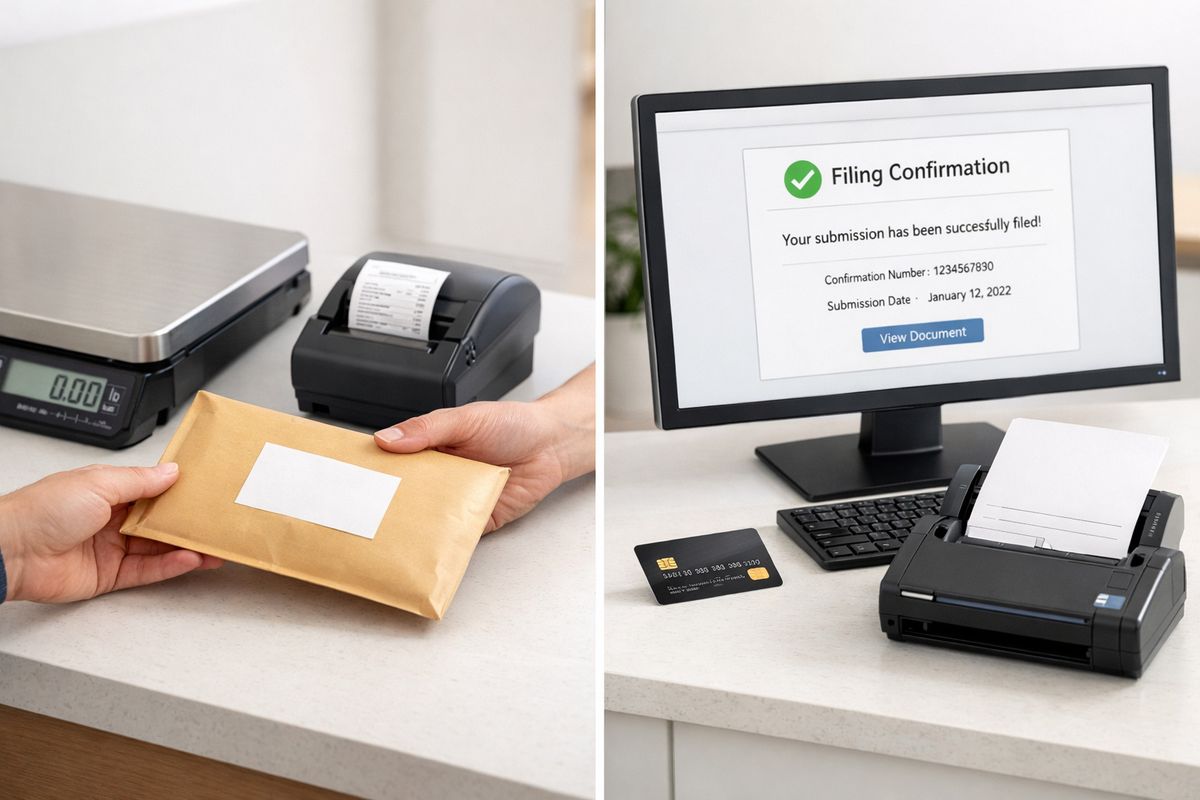
Online filing changes the timing problem. If your form is eligible for online filing and your payment goes through before the cutoff, you avoid shipping delays entirely. That can be the cleanest option when the deadline is close.
But online filing is not a magic fix. The form has to be eligible for online submission, your documents still have to be complete, and your payment method has to work. A failed card charge at 11:52 p.m. is still a failed filing. The submission is only as good as the confirmation you receive.
Paper filing gives you more room to organize large evidence packets, but it adds shipping risk. Weather delays, missed pickups, wrong labels, and late delivery scans all become part of the story.
Lockbox, service center, and field office differences
These intake points are just different doors into USCIS. A lockbox is a centralized intake facility that accepts many forms, processes fees, and issues receipt notices. A service center handles certain applications and petitions after intake. A field office usually deals with interviews and local in-person case functions, though some filings or appointments are tied there.
Why does this matter? Because the filing address is part of filing correctly. Sending the right form to the wrong place can get it rejected or seriously delayed. If you have ever watched tracking updates at 10:47 p.m. after overnighting a packet to a lockbox in Chicago or Phoenix, you already know how much the destination matters.
The deadline traps that cause avoidable rejections
Most deadline problems are not dramatic. They are small paperwork misses that become expensive because the calendar is tight.
If a fee increase is days away, a rejection is more than annoying. It can mean refiling under the new fee, redoing signatures, or losing valuable time if your status, work authorization, or visa window is already closing.
Sending the right form with the wrong fee
This is one of the most common filing mistakes. Your form can be complete and still be rejected if the payment does not match the fee in effect when USCIS accepts it.
Sometimes the issue is using an old fee chart. Sometimes it is misunderstanding whether biometrics is separate. Sometimes it is combining payments in a way that creates confusion if one form is rejected and another is not. If filing costs are a genuine obstacle, review options for getting help with the expense before waiting too long and missing the lower fee window.
Using an outdated form edition
USCIS forms have edition dates, usually printed at the bottom of the page. USCIS also lists the currently accepted edition on the form’s webpage. If your packet uses an older edition after USCIS stops accepting it, the case can be rejected even if every answer is correct.
That is why downloading a form once and saving it to your desktop for months is risky. Before filing, compare the date on your form to the date listed on the official USCIS page.
Mailing to the wrong address
USCIS filing addresses change more often than people expect. The correct address can depend on the form, the category, the state where you live, and whether you are using USPS or a courier.
This is the paperwork version of arriving at the right building but the wrong door. Close enough does not count. A package sent to the wrong location may be forwarded, delayed, or rejected, and none of those outcomes helps when the deadline is sitting right in front of you.
Forgetting signatures, payment method rules, or required initial evidence
A missing signature can sink the whole packet. So can a declined credit card, an incorrect check payable line, or a missing required document such as a marriage certificate, passport identity page, translation certification, or filing-specific evidence.
These are basic mistakes, but deadline pressure makes basic mistakes more likely. Slow down enough to check the small things. That is often what saves the filing.
What to do if your deadline is tied to a visa bulletin, RFE, or status expiration
Not every USCIS filing deadline is about a fee increase. Sometimes your real deadline comes from a visa bulletin chart, an RFE response date, or the day your status or work card expires. And sometimes all of those pressures collide at once.
When that happens, timing stops being a simple mailing problem and becomes a strategy problem.
If your case depends on the visa bulletin filing chart
For adjustment of status cases, timing can depend on the monthly Visa Bulletin and on which chart USCIS says you may use that month. In some months, USCIS allows the Dates for Filing chart. In others, only the Final Action Dates chart applies for adjustment filings (USCIS Visa Bulletin filing charts).
That difference is not minor. Using the wrong chart can mean filing too early, waiting too long, or misunderstanding whether your window is open. If a fee increase is also coming, the timing gets even tighter.
If you are answering a request for evidence or notice of intent to deny
An RFE is USCIS asking for more proof before deciding your case. A Notice of Intent to Deny, often called a NOID, is more serious. It means USCIS believes the case may be denied unless the response fixes the problem.
In both situations, the notice itself controls the deadline. Pay attention to the notice date, the response deadline printed on the notice, and the instructions for where and how to respond. Do not assume the clock starts when you open the mail. Do not assume the mailing date saves you. Read the notice carefully and follow it exactly (USCIS Policy Manual).
If your current status or work authorization is about to expire
Extension filings, change of status filings, and work permit renewals come with built-in urgency. A fee increase can make that urgency worse by compressing your filing timeline right when you can least afford a rejection.
This is where filing early pays off. Not because early is always elegant, but because late leaves no room for correction. If your current status or work card is nearing expiration, a rejected filing can create problems much larger than a higher filing fee.
A simple plan to file before a USCIS fee increase
If a fee increase deadline is approaching, the trick is to stop treating your case like one big task and start treating it like a chain of smaller deadlines. That makes the process feel less chaotic and helps you spot weak points before they become emergencies.
Check the USCIS form page, not just a blog post
Start with the exact USCIS page for your form. Confirm the current fee, the edition date, the filing address, whether online filing is available, and the required initial evidence.
Blogs can help you understand the issue, but only the official form page tells you what USCIS is accepting right now. If cost is a major concern, it also makes sense to review when asking USCIS to waive certain fees is possible, because not every form qualifies and assumptions here can backfire.
Build backward from the cutoff date
Count backward from the effective date of the fee increase or your filing deadline. Then subtract time for signatures, document gathering, translations, passport photos, payment setup, shipping, and any medical exam or supporting record your case needs.
This backward count is where people usually get honest with themselves. If the package needs three signatures from people in different cities, the real deadline is not the night before mailing. It is several days earlier.
Pick the safest filing method for your case
If online filing is available and your packet is straightforward, online submission can remove a lot of shipping stress. If your case depends on a thick evidence packet, a paper filing with reliable courier tracking may be the safer choice.
Either way, keep proof. Save the full packet as a PDF, save your payment confirmation, and save delivery records. Paper or online, your filing should leave a paper trail.
Save proof that your filing was timely
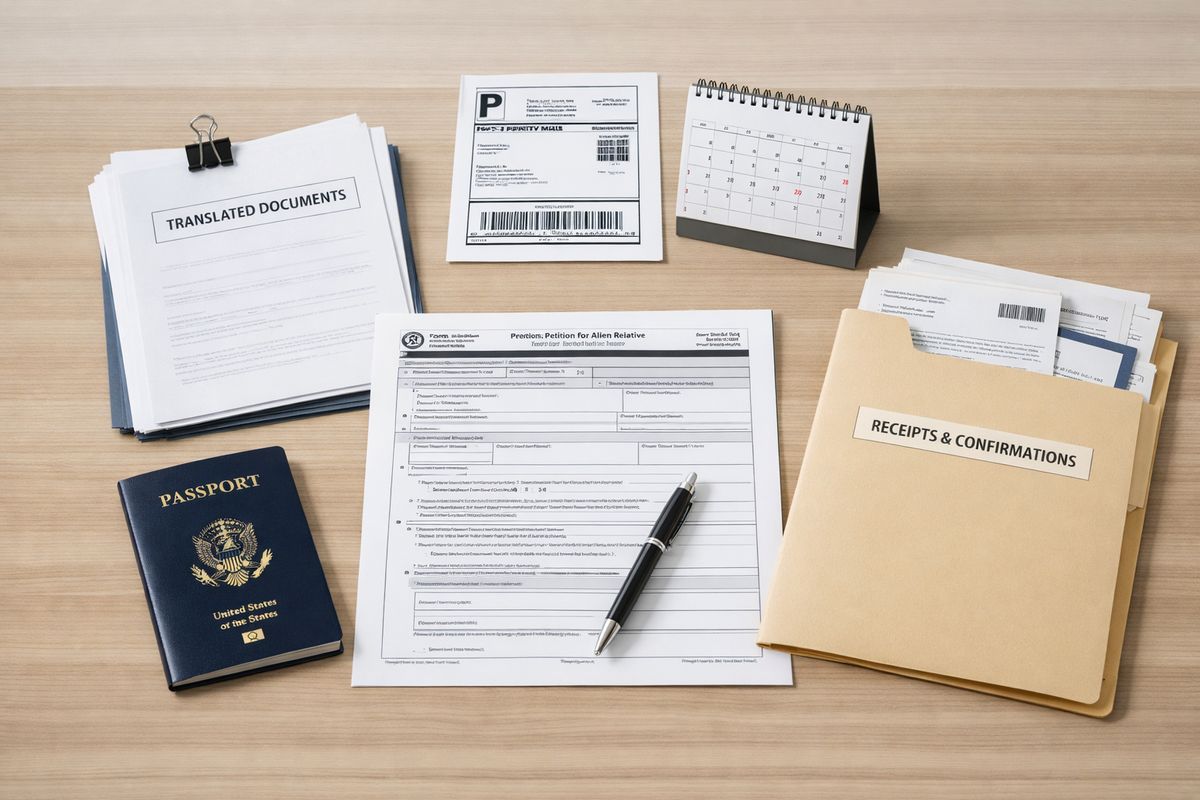
Keep the shipping receipt, tracking page, proof of delivery, screenshots of online submission, payment confirmation, and a complete copy of what you filed. If USCIS later questions the timing, those records can save days or weeks of confusion.
That kind of documentation is not overkill. It is basic self-defense.
When it makes sense to get an immigration attorney involved
Not every filing needs legal help. Some are straightforward enough that careful preparation is enough.
But deadline pressure changes the math. When timing is tight, small mistakes get expensive fast. A rejected filing near a fee increase or status expiration can create consequences that are much harder to fix than to prevent.
Cases with status issues, prior denials, or deadline confusion
Legal help becomes especially useful when the rules are not clean and simple. That includes prior denials, unlawful presence concerns, missed filings, employer-sponsored petitions, family cases with multiple applicants, or situations where a packet was already rejected once close to the deadline.
These are not good moments for guesswork. If your case includes a filing-cost problem on top of a timing problem, it may also help to understand how fee waivers and related relief can work before deciding your next move.
How an attorney helps you avoid a rejected or late filing
An attorney can check whether the form is the right one, confirm eligibility, review supporting documents, verify the current edition date and fee, choose the correct filing address, and flag timing problems before the packet goes out.
That matters because beating a USCIS deadline is not just about moving fast. It is about filing correctly the first time.
Schedule your call here to learn more about your immigration status and visa options. At Gondim Law, your attorneys speak English, Portuguese, and Spanish and bring more than 30 years of experience to help you navigate your next steps. You will also have the opportunity to speak with Founder Attorney Marcelo Gondim about your case. The goal is to help you understand your options and identify the visa that best fits your situation: schedule your consultation.
Common questions about USCIS filing deadlines and fee increases
A few questions come up over and over because USCIS deadlines look simple from a distance and messy up close. Here are the big ones.
If your package arrives after the fee increase, does USCIS still accept the old fee?
Sometimes yes, sometimes no. It depends on the exact rule USCIS announced for that fee change. If USCIS created a temporary grace period or special postmark rule, the old fee may still be accepted under those conditions. If not, the new fee usually applies once the increase takes effect.
Does certified mail or FedEx guarantee your filing is timely?
No. Delivery proof helps, and it is smart to have it, but proof of mailing does not cure a wrong fee, wrong address, missing signature, or late arrival when receipt date controls.
Can USCIS reject a case even if everything was sent before the deadline?
Yes. USCIS can reject a filing that was mailed before the deadline if it is incomplete, uses the wrong form edition, includes the wrong payment, or goes to the wrong place.
What if USCIS rejects your filing after the fee increase takes effect?
Read the rejection notice closely, fix the exact problem fast, and check whether the new fee now applies. This is one of the moments when legal help can save a lot of back-and-forth, because the second filing needs to be cleaner and faster than the first.
Frequently asked questions
What counts as the USCIS filing deadline for most applications?
For many applications, the filing deadline is the date USCIS properly receives the filing at the correct location with the correct fee and required items. For some filings, a postmark rule may apply, but only if USCIS says so for that specific situation.
Does paying online at the last minute solve the deadline problem?
Only if your form is eligible for online filing and the submission is completed successfully before the cutoff. A technical issue, failed payment, or incomplete upload can still leave you late.
Can a wrong filing address make you miss a deadline?
Yes. A package sent to the wrong address can be rejected, delayed, or misrouted. When timing is tight, that can be enough to push your case past a fee increase or other deadline.
Should you recheck the form edition right before filing?
Yes. USCIS can stop accepting an older edition, and using the wrong version can trigger rejection. Check the edition date on your form against the official USCIS page the same day you file.
Is it worth getting legal help just because a fee increase is close?
If your case is simple and you still have time, maybe not. But if your status is expiring, your case has prior issues, your packet was rejected once already, or you are unsure about fee rules, filing location, or timing, legal help can prevent a much bigger mess.
The one thing to do today if a USCIS deadline is close
Pull up the exact USCIS form page for your case today and verify four things: the fee, the form edition, the filing method, and the address. That one step catches a surprising number of mistakes before they become expensive.
If the timeline already feels tight or your case has any complication at all, get legal eyes on it before you send anything. A calm review now is a lot cheaper than fixing a rejection after the fee goes up.