

Getting notice of a J-1 visa investigation can feel like a fire drill with legal paperwork attached. A J-1 visa investigation is a review of whether your school, and any program sponsor involved, followed the rules of the Exchange Visitor Program. It is serious, yes, but it is also something you can respond to in an organized way if you understand what is being reviewed and what to do first.
What a j-1 visa investigation means for your school
In plain English, a J-1 visa investigation means a government agency, or sometimes a sponsor conducting a serious compliance review, is looking closely at how a J-1 exchange program operated at your school. The focus is not just on forms. The real question is whether the program matched its approved educational and cultural purpose, and whether participants were treated the way the rules require.
That matters because schools often assume the issue is narrow, something like a missing file or a late update. Sometimes it is that simple. But sometimes the investigation widens fast and starts touching supervision, payroll, housing support, participant complaints, and internal communications.
Here’s the thing: panic usually makes the situation worse. A calm, organized response makes a real difference. If your school treats the investigation like a fact-finding process that needs structure, not spin, you put yourself in a much better position from the start.
What the j-1 program actually covers in a school setting
The J-1 Exchange Visitor Program is a nonimmigrant visa program meant to promote educational and cultural exchange. In a school setting, that often includes teachers, professors, research scholars, short-term scholars, specialists, interns, or trainees, depending on the institution and the program setup.
A few terms tend to confuse people right away, so it helps to clear them up early. A “program sponsor” is the organization officially authorized to run a J-1 exchange program. An “exchange visitor” is the person coming to the United States under that program. “SEVIS” stands for the Student and Exchange Visitor Information System, which is the government database used to track certain information about exchange visitors and their program activity.
Think of the sponsor as the party holding the master key, the exchange visitor as the participant in the program, and SEVIS as the official logbook. If any part of that arrangement is sloppy or misleading, investigators notice.
The difference between a school and a designated sponsor
Many schools host J-1 participants without being the official designated sponsor. In that setup, another organization issues the DS-2019, manages core sponsor duties, and handles required reporting. Your school may still provide the actual worksite, supervision, compensation, housing support, or day-to-day program experience.
That distinction matters a lot in an investigation. If your school is the designated sponsor, your responsibilities are broader and more direct. If your school is only the host site, you still do not get to shrug and point elsewhere. Investigators may still ask what your school knew, what your school monitored, and whether your school’s actual practices matched what the sponsor reported.
This is one reason schools get caught off guard. The DS-2019 may come from another organization, but your campus can still become part of the compliance story. If your issue overlaps with broader enforcement questions, it helps to understand how recent changes affecting J-1 reviews and related immigration rules fit into the bigger picture.
Why schools use j-1 visas in the first place
Schools use J-1 visas for legitimate reasons. The program can bring international teachers into K-12 settings, support visiting scholars on a college campus, or allow short-term academic collaboration that would not happen otherwise. At its best, the program creates real exchange, not just labor.
That last point is where investigators often focus. A J-1 placement cannot just be a staffing shortcut with a cultural label taped onto it. If a role looks and functions like ordinary employment, with little sign of exchange, orientation, mentoring, or educational purpose, that raises questions quickly.
Why a school ends up under j-1 visa investigation
Most investigations do not start with a dramatic accusation. Often, they begin with a mismatch, a complaint, a review, or a pattern that does not sit right. The pressure points are usually practical, not mysterious.
Compliance gaps in records, supervision, or reporting
One common trigger is weak compliance. Missing documents, inaccurate SEVIS updates, vague job descriptions, poor tracking of participant activity, and weak site supervision can all draw attention. So can stipend issues, housing confusion, or files that do not explain where a participant actually worked and under whose supervision.
Sometimes the problem is plain sloppiness, not fraud. But that does not buy much comfort. If records are thin or inconsistent, investigators may assume there is more to uncover.
Schools run into trouble here because different offices hold different pieces of the same story. HR has payroll records, an academic department has supervision details, the international office has visa paperwork, and nobody notices the gaps until someone asks for all of it at once.
Complaints from participants, staff, or outside agencies
A single complaint can start the process. That complaint might come from a participant who says duties changed, pay was off, housing was unsafe, promised cultural programming never happened, or retaliation followed after concerns were raised. It can also come from a staff member, a labor agency, or another institution.
The catch is that one complaint rarely stays narrow. Once investigators compare emails, policies, payroll, and participant accounts, the issue can spread. If your handbook says one thing, your offer letter says another, and your actual practice says something else, the inconsistency becomes its own problem.
This broader overlap is why schools sometimes need immigration counsel who can also spot side issues that touch labor or enforcement risk, much like situations discussed in guidance on fast-moving removal and detention concerns, where early mistakes can shape everything that follows.
High-profile scrutiny and broader enforcement trends
Some investigations happen because your school was specifically flagged. Others happen because the government is taking a wider look at exchange programs in a certain category or industry. Public attention can also play a role. News coverage about misuse of exchange programs tends to bring more scrutiny, not less.
Picture a routine Monday morning after a semester kickoff. Classes are settling in, inboxes are full, and then a notice lands asking for records tied to J-1 teachers or scholars. That is how this often feels in real life, sudden, disruptive, and inconvenient in exactly the wrong moment.
What investigators usually look for
A J-1 visa investigation is not random. There are certain questions investigators tend to test again and again.
Whether the program serves a real exchange purpose
At the center of the program is cultural and educational exchange. Investigators want to know whether that exchange was real or just decorative. Was the participant actually engaged in an approved exchange experience, or simply filling a regular labor need?
If your school brought in a teacher or scholar for a program that included orientation, meaningful supervision, institutional integration, and actual exchange activities, that is very different from dropping someone into a full workload with no real program structure. The difference can sound abstract on paper, but in practice it is not abstract at all.
Whether pay, duties, and working conditions match the approved program
This is where the documents get compared to daily reality. Investigators may look at the DS-2019, offer letters, contracts, payroll records, timesheets, schedules, and internal emails. If those records point in different directions, that invites more scrutiny.
For example, if a teacher was brought in for one campus role but spent most of the term covering unrelated staffing gaps at another location, that can be a problem. If compensation changed but records did not. Problem. If duties expanded far beyond what the program approved. Also a problem.
Whether your school followed participant protections
Participant protections matter more than many schools expect. Investigators may look at screening, orientation, supervision, complaint procedures, housing support where relevant, and how concerns were handled. If a participant raised an issue, the response matters almost as much as the issue itself.
This is where allegations of abuse or exploitation can enter the picture. Even if your school sees the matter as an internal misunderstanding, investigators may ask whether safeguards existed and whether anyone faced retaliation for speaking up.
Whether your documentation tells a consistent story
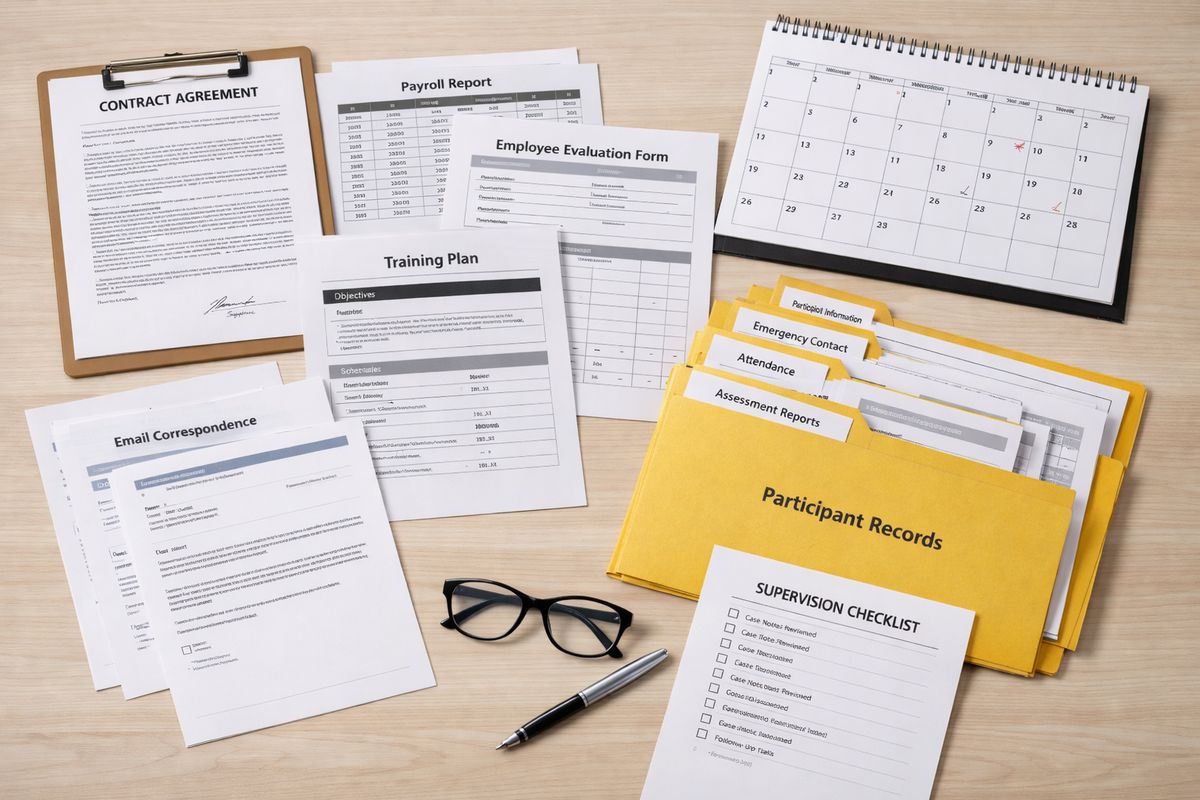
Good records do not guarantee a clean outcome, but poor records almost always make things worse. Investigators often review contracts, payroll, evaluations, training plans, cultural activity records, communications, and internal policies to see whether the story holds together.
Think of it like balancing a checkbook. One mismatch does not always prove something improper happened. But one mismatch leads to another question, and another, until somebody is digging through details you wish had been organized months earlier.
What an investigation can mean for your school right away
The short-term effects can hit fast, even before any final findings.
Requests for documents, interviews, and site visits
Your school may receive requests for documents, interview notices, or notice of a site visit. Depending on the situation, the review can involve multiple offices at once, including HR, payroll, academic leadership, international programs, and legal counsel.
That kind of request has a way of spreading confusion. One office wants to be helpful, another wants to explain things informally, and someone starts searching old emails at 10:30 p.m. That is exactly when coordination matters most.
Disruption to current j-1 participants and future placements
An investigation can complicate renewals, transfers, onboarding, or future placements. If your school depends on exchange teachers or visiting scholars for an upcoming term, planning can get harder quickly. Sponsors may become cautious. Internal approvals may stall. Participants may get nervous.
Even if current visitors are not removed from the program immediately, uncertainty alone can disrupt operations. If your school hosts multiple exchange visitors, one investigation can create ripple effects across departments.
Reputation, funding, and internal pressure
The legal issue is only part of it. Investigations can bring board concern, parent questions, donor anxiety, press inquiries, and a lot of internal finger-pointing. Reputational damage tends to move faster than legal clarification.
That is why schools need a disciplined response. This is not the moment for hallway explanations, improvised email threads, or confident guesses about what happened.
What your school should do first
This is usually the part you need most when the notice arrives.
Preserve records and stop informal cleanup
Do not “fix” the file before counsel reviews it. That is the direct rule. Deleting emails, rewriting policies, backfilling forms, or cleaning up timelines after the fact can make a manageable issue look much worse.
Preserving records does not mean freezing your entire operation. It means stopping informal cleanup and making sure relevant documents, messages, and files stay intact. If your school later needs to explain what happened, a clean preservation process helps far more than a rushed attempt to make old records look neat.
Get the right people in one room quickly
Your school needs early coordination across leadership, HR, the responsible officer or alternate responsible officer if applicable, compliance staff, and immigration counsel. One organized meeting can prevent three departments from sending inconsistent responses.
The trick is speed with structure. Get the right people together, identify who controls which records, and decide who will handle communications. If anyone connected to the matter is facing detention-related immigration issues at the same time, separate guidance like what to gather before speaking with counsel about custody matters can help keep those problems from getting mixed together.
Review the program through an attorney-led audit
An attorney-led internal review can help your school understand the real scope of the issue before anyone starts offering piecemeal explanations. That review may include sponsor documents, participant files, policies, pay practices, training plans, complaint history, and communications.
One benefit here is privilege. Another is clarity. You need to know the whole picture, not just the part sitting in one file cabinet or one shared drive.
Common misunderstandings about j-1 visa investigations
Bad assumptions cause real damage in these cases.
“If your school meant well, the government will overlook mistakes”
Good intentions do not erase compliance problems. If reporting duties were missed, participant protections were weak, or job duties drifted away from the approved program, the fact that nobody meant harm may not carry much weight.
Intent matters, but facts matter more. A school can care deeply about international exchange and still mishandle a J-1 program in ways that trigger serious consequences.
“Only sponsors get investigated”
Not true. Host schools, placement sites, departments, and administrators can all face scrutiny, even if another organization issued the DS-2019. Your school’s role in supervision, pay, housing, or daily program delivery may be enough to put you squarely in the frame.
“This is just an immigration paperwork issue”
This is one of the most dangerous misunderstandings. A J-1 investigation can overlap with wage concerns, labor standards, housing issues, anti-retaliation rules, and public accountability questions. That broader scope is the catch.
The same reason schools need focused counsel here is the reason people in other immigration situations need focused counsel too. Once facts start crossing into multiple legal systems, narrow assumptions stop helping. Resources on handling immigration problems while someone is in custody show the same basic lesson: scope expands quickly when early facts are not managed carefully.
When It’s time to call an immigration attorney
If your school has received a document request, heard from the State Department, gotten a participant complaint, noticed mismatches in duties or pay, or learned that a sponsor is under review, it is time to get legal guidance now, not later. Waiting for more facts sounds sensible, but in practice it often means lost time and inconsistent responses.
Signs you need help now, not later
You need help right away if any official notice has arrived, if anyone has asked for interviews, if a participant has raised exploitation or retaliation concerns, or if your internal records do not line up cleanly. You also need help if your school is not sure who was responsible for reporting or monitoring obligations. Confusion itself is a warning sign.
What to bring to the first legal review
Bring the notice you received, all DS-2019-related records, contracts, offer letters, payroll details, policies, org charts, relevant emails, complaint records, and a simple timeline of what happened. Keep it organized and complete. You do not need a polished legal defense before the first call. You need the facts in one place.
Schedule your call here to learn more about your immigration status and visa options: https://gondimlaw.com/schedule-your-consultation/. At Gondim Law, your attorneys speak English, Portuguese, and Spanish and bring more than 30 years of experience to help you navigate your next steps. You also have the opportunity to speak with Founder Attorney Marcelo Gondim about your case.
One smart first step to take today
Gather every J-1-related document into one secure place and set up a counsel review before anyone starts explaining the situation informally. That one move can lower confusion fast. It gives your school a single factual record, a clearer strategy, and a much better chance of responding without making a hard situation harder.
Frequently asked questions
How serious is a j-1 visa investigation for a school?
It is serious because it can affect current participants, future placements, sponsor relationships, and your school’s reputation. But serious does not mean hopeless. A prompt, organized response usually puts your school in a stronger position than a delayed or scattered one.
Can your school be investigated if another organization sponsored the j-1 visitor?
Yes. If your school hosted the participant, supervised daily work, handled pay, or provided the actual site of activity, your role can still be reviewed closely even if another organization issued the visa paperwork.
Does a j-1 visa investigation always mean fraud is suspected?
No. Some investigations start because of sloppy records, reporting mistakes, or a complaint that raises questions. That said, even non-fraud issues can lead to serious consequences if the facts suggest participant protections or program rules were not followed.
Can your school keep using the j-1 program during an investigation?
Sometimes yes, sometimes no. It depends on the facts, the sponsor relationship, the scope of the review, and any agency action taken. Even without a formal shutdown, an investigation can slow approvals and complicate future planning.
What if your records do not match perfectly?
Do not try to rewrite history. Preserve the records, identify the gaps, and review them with immigration counsel. Inconsistent records are common in investigations, but informal cleanup often creates bigger problems than the original mismatch.
Who inside your school should be involved first?
Leadership, HR, the responsible officer or alternate responsible officer if your school has one, compliance staff, and immigration counsel should be involved early. The goal is to keep responses coordinated and factual from the beginning.