

When somebody you care about calls from detention, the clock feels broken. Everything suddenly sounds urgent, and if you need to stop deportation fast, the right ICE detention lawyer can protect options that disappear quickly.
What an ICE detention lawyer does, and why speed matters
An ICE detention lawyer handles the part of immigration law that starts after detention, not just paperwork filed months earlier. That usually means figuring out where the person is being held, checking for bond, defending against removal, and filing emergency requests when timing is tight.
Here’s the thing: fast action matters because deadlines, transfers, and hearing dates can change the whole case. A good lawyer is not just there to “take the case.” A good lawyer moves early enough to preserve choices.

The first questions to ask before you hire anyone
When time is short, you do not need a sales pitch. You need answers that help you sort through options quickly.
Have you handled ICE detention cases like yours?
Immigration law is broad. Somebody who mostly handles family petitions or work visas may be smart, but detention defense is its own lane. You want somebody who regularly deals with ICE holds, bond hearings, and removal cases.
That matters even more if the case may involve asking for immigration relief while locked up. Detention cases move differently, and experience in that setting saves time.
Where is the person being held, and can you appear there fast?
Location changes everything. Some detention centers are near major cities, and some are hours away. Courts also move at different speeds, and a transfer can scramble plans overnight.
If your loved one is moved from a local jail at 11 p.m. to a remote detention center by morning, you need somebody who can act fast in that court and facility, not somebody who sounds available but cannot reach the place that matters.
What is the immediate plan for the next 24 to 72 hours?
This question cuts through vague promises. A serious lawyer should be able to explain the first moves clearly: find the case, confirm the facility, check for hearings, request records, and review whether bond or another urgent filing is possible.
If the answer sounds foggy, that is a problem. In detention work, the first two or three days often shape everything that follows.
What could block release or make the case harder?
Ask for the honest version. Prior removal orders, missed court dates, criminal charges or convictions, identity issues, and fast-track removal can all create obstacles. Fast-track removal basically means the government tries to remove somebody on a quicker timeline with fewer steps.
You are not looking for comfort here. You are looking for somebody who spots risk early and says it plainly.
How to tell if a lawyer can actually move quickly
Responsiveness is not a nice extra in detention cases. It is the job.
Do you get clear answers, not canned reassurance?
Calm is helpful, but specifics are better. You should notice direct explanations, same-day callbacks when possible, and a clear list of documents to send.
“Don’t worry” is not a plan. A lawyer who can move quickly usually sounds organized, not vague.
Will you get a fee quote and scope in writing?
A written fee agreement should spell out what is included, what costs extra, and whether bond work, appeals, or detention visits are separate. That protects you from surprises when every hour counts.
If you are also trying to figure out which filings can still move forward from detention, written scope matters even more because detention cases often branch into several urgent tasks at once.
Who will handle your case day to day?
You should know who answers urgent questions, who files papers, and who tracks court notices or transfers. Sometimes you will speak with the attorney directly. Sometimes a case manager handles updates and document collection.
Either setup can work well. The trick is knowing exactly who does what before a last-minute court notice lands.
Key legal issues that can affect whether you can stop deportation fast
A buyer’s guide is really about trade-offs. In detention cases, speed depends on the legal facts, not just effort.
Bond eligibility
Bond is a request to pay for release while the case continues. Not everybody qualifies. Criminal history, prior orders, and the reason for detention can all affect eligibility.
A lawyer should be able to tell you early whether bond looks possible, unlikely, or blocked.
Prior orders, missed hearings, and reinstatement
An old deportation order can sharply limit options. A missed hearing can lead to an order entered after somebody failed to appear. Reinstatement means the government is trying to bring back an earlier removal order instead of starting from scratch.
These issues need records checked right away. Even a messy timeline helps, and sorting out detention-based immigration options usually starts with those old records.
Relief from removal
Relief from removal means a legal way to stay, such as asylum, cancellation of removal, or adjustment of status. The catch is that “Can release happen now?” and “Can the case be won?” are related, but not the same question.
Some cases have a strong long-term defense but no quick path to release. Some have bond potential even while the deeper defense is still being built.
What to gather before the first call
A good consultation moves faster when you bring facts, even imperfect ones.
Basic case and detention details
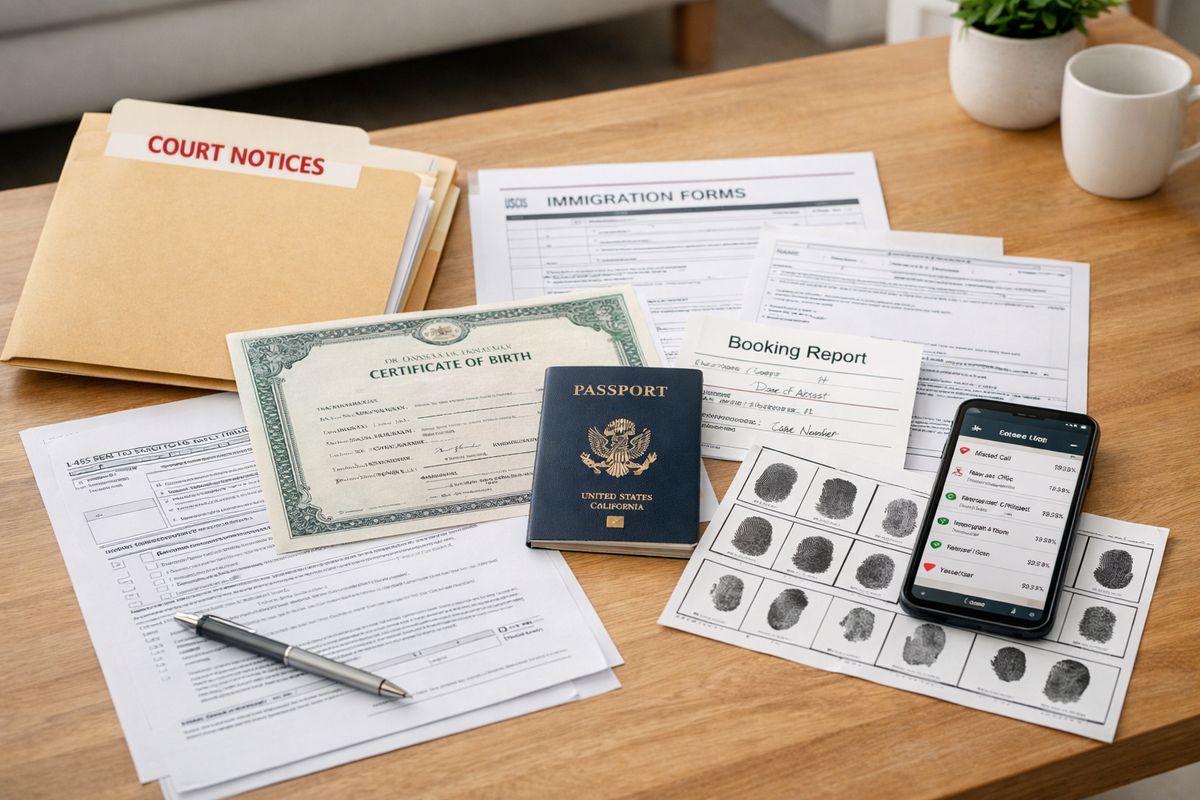
Try to gather the full name, A-number if available, country of origin, detention location, booking date, and any hearing notices. Even one photo of paperwork from a holding cell can save time.
Immigration and court history
Bring prior applications, old court dates, past orders, visa entries, and anything filed with immigration before. If the timeline feels messy, bring it anyway. Guessing wastes more time than incomplete records.
Criminal case records, if any
Charges, plea paperwork, and final dispositions matter. Just bring everything. Trying to pre-sort what seems important is like packing for a storm by checking only one window.
Common mistakes that waste time in detention cases
Panic makes people rush toward the wrong things.
Hiring the first person who promises a guaranteed result
No honest lawyer can guarantee release or a win. Confidence is good. Guarantees are a red flag.
Waiting too long to ask about deadlines and transfers
Hearings can come quickly, and transfers can change the court handling the case. Missing that moment is like missing the one train across town, the next option may be slower and harder.
Focusing only on price
Budget matters, of course. But the cheapest option can cost more if it leads to delays, missed filings, or poor communication. Value in detention cases usually comes from experience, speed, and clarity.
How to choose the right lawyer for your situation
The best choice depends on what kind of pressure the case is under.
Best fit for an emergency detention case
If somebody is already detained, prioritize immediate availability, detention experience, familiarity with the right court, and a clear 48-hour plan. That is the baseline, not a bonus.
Best fit for a complicated history
If the case involves prior removals, criminal records, or multiple past filings, deeper strategy matters more than a polished sales call. You need somebody willing to dig through the hard parts early.
One thing to do right now
Write down the detention location, A-number, and next court date before the first consultation call. That simple step can save precious time.
Schedule your call here to learn more about your immigration status and visa options: https://gondimlaw.com/schedule-your-consultation/. At Gondim Law, your attorneys speak English, Portuguese, and Spanish, bring more than 30 years of experience, and give you the chance to speak with Founder Attorney Marcelo Gondim about your case.
Frequently asked questions
Can a lawyer stop deportation immediately?
Sometimes a lawyer can act quickly to seek bond, file an emergency request, or challenge a removal step. But no lawyer can promise an instant stop in every case. The legal history and current detention status matter.
How fast should an ICE detention lawyer respond?
In a detention case, fast usually means same day or as soon as possible, especially when there is a transfer, hearing notice, or removal risk. Slow communication is a warning sign.
What if you do not have the a-number yet?
A lawyer can often still start with the full name, date of birth, detention location, and any paperwork or call details you have. The A-number helps, but missing it should not stop the first call.
Can somebody apply for immigration relief while detained?
Yes, in many cases. Detention does not automatically erase options like asylum or other defenses. The available relief depends on the case history and current charges or grounds of removal.
Does a criminal case always prevent release?
No. Some criminal charges or convictions make release harder, and some can block bond entirely, but not every record has the same effect. Exact court documents matter more than casual summaries.