
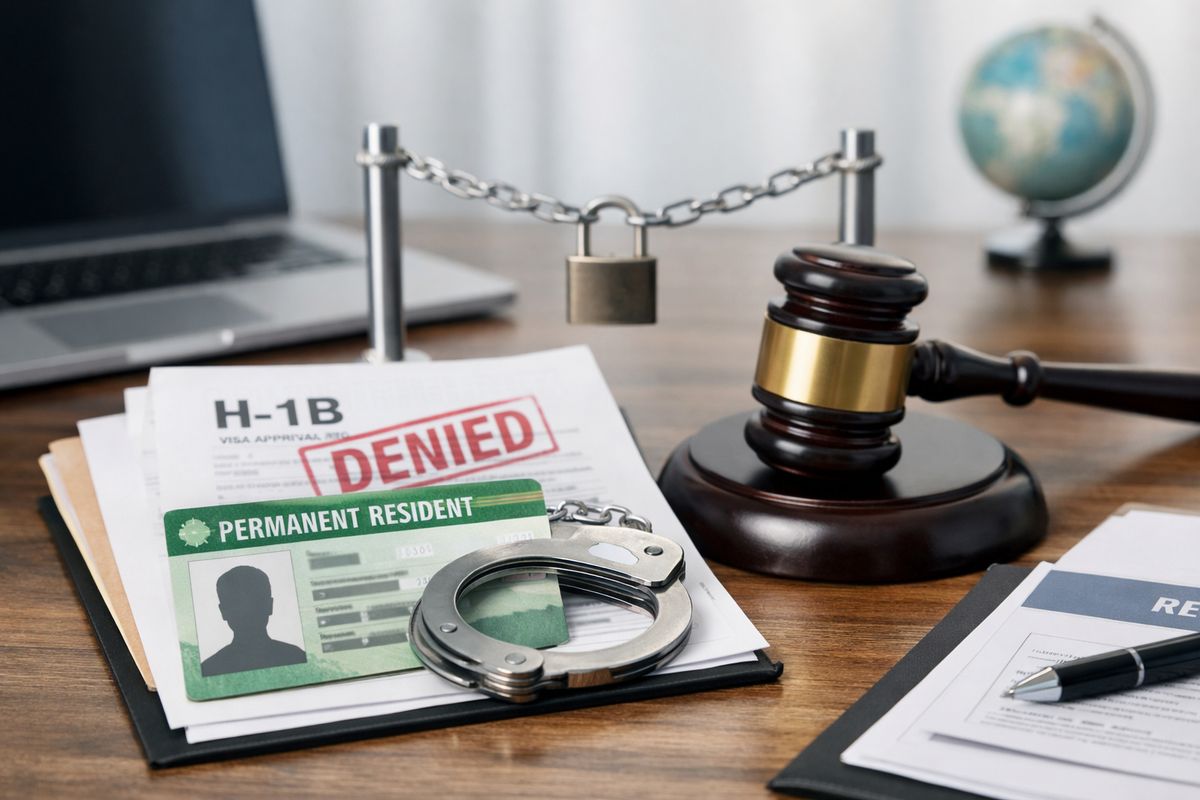
If your office Slack has gone quiet about green card sponsorship, you are not imagining the tension. The short answer on green card sponsorship suspension is this: some tech employers have paused or slowed parts of the process, but that does not mean every company has stopped sponsoring, or that every case is dead.
What happened with tech green card sponsorships right now
Right now, the clearest picture is mixed. Some tech companies appear to be pausing new green card case starts, slowing internal approvals, or taking a second look at legal spending tied to employment-based sponsorship. At the same time, there has not been a confirmed industry-wide shutdown across tech.
That distinction matters. “Suspension” sounds absolute, but in practice it can describe a few very different situations. Your employer may have stopped opening new PERM cases. Your case may still be active, but stuck in internal review. Or the legal team may be moving forward only for certain roles, business units, or workers already deep into the process.
Recent concern has also been fueled by reporting around large tech employers and by confusion over government processing issues. Coverage from outlets including FOX 13 Seattle has amplified anxiety around company-specific sponsorship decisions, especially where major employers are involved. But one headline is not the same thing as a universal rule.
What “suspension” usually means in real life
Here’s the thing: most workers hear “suspension” and picture a full stop. That is only one version.
In real life, green card sponsorship usually moves through three big stages. PERM labor certification is the step where your employer tests the labor market and shows the government that no qualified U.S. worker was available for the specific role under the required terms. Then comes the I-140 immigrant petition, where your employer asks USCIS to classify you for an employment-based green card category. After that, adjustment of status is the application to become a permanent resident if you are eligible to file from inside the United States.
A pause can happen at any one of those stages. An employer might stop starting new PERM cases but still file I-140 petitions for workers whose PERM applications were already approved. Or an employer may keep sponsorship technically open while slowing document collection so much that your case barely moves.
Why this matters if your case is tied to a tech employer
If your immigration future depends on your employer, a slowdown is not just office gossip. It can change your timeline, your job choices, and your backup plan.
Employment-based green card cases are slow even when everything goes right. So a delay at the start can create problems much later, especially if your work authorization, travel planning, or long-term role depends on steady progress. If your case connects to H-1B timing, job changes, or retention strategy, a company pause can spill into decisions you did not expect to make yet. That is why it helps to understand what happens to your timing if you change jobs mid-process.
The immediate risks to your timeline
The biggest risk is often invisible at first. A company says it is “reviewing sponsorship policy,” and that sounds temporary. But even a short freeze can cost months.
PERM cases take planning, prevailing wage requests, recruitment steps, and filing windows. If that opening step gets pushed back by 60 or 90 days, the rest of your case shifts with it. Legal budget cuts can slow attorney responses. Internal sign-offs can sit with finance or HR. Suddenly, your expected filing month is gone.
That sting feels sharper if your priority date matters now, or if you were counting on green card progress to support a career move. For workers on H-1B, a delay can overlap with the kind of issues covered in what sponsorship slowdowns mean for H-1B workers.
Why los angeles workers should pay close attention
In Los Angeles, this hits close to home. A policy shift at a startup in Santa Monica, a gaming company in Culver City, or an entertainment tech employer in Burbank can turn into a deadline problem fast.
Tech in Los Angeles does not always look like Silicon Valley, but the immigration pressure is just as real. Roles move quickly, teams reorganize, and company funding can change direction overnight. If your case depends on a local employer staying committed, silence from HR is not something to shrug off.
What seems to be driving these pauses
Most sponsorship pauses are not really about your qualifications. That is the hard truth.
Employers usually make sponsorship decisions as business decisions first. If leadership is cutting costs, reducing headcount, or trying to control future obligations, immigration cases often get pulled into that review even when your performance is strong and your role is secure.
Cost cutting, layoffs, and internal review
Layoffs and hiring freezes often trigger immigration reassessment. If a company has recently cut roles, starting new PERM cases becomes harder because the employer must be comfortable testing the market for a position while also managing the optics and legal risk of recent workforce reductions.
Budget pressure matters too. A green card case is not just one filing fee. It can involve attorney time, recruitment costs, HR effort, and months of follow-up. The catch is that a company can like you and still freeze sponsorship because finance wants tighter controls.
Processing backlogs and policy uncertainty
Government delays add another layer. USCIS backlogs, Department of Labor timing issues, and shifting adjudication trends can make employers hesitate. “Adjudication” just means how the government reviews and decides a case.
Reporting from the American Immigration Council has highlighted that USCIS processing pauses can disrupt green card cases even without public clarity. That uncertainty makes employers nervous about starting new matters that may drag on longer than expected.
What credible reporting and recent examples show
The current reporting shows concern, not proof of a universal stop across tech. That distinction is worth holding onto.
Some stories focus on government-side delays. Others focus on company-side decisions, especially at major employers whose choices tend to echo across the industry. If you want a broader look at the issue itself, this breakdown of how tech employers have been handling sponsorship decisions helps separate broad patterns from rumor.
USCIS pauses are not the same as company pauses
A USCIS pause means the government has slowed or stopped processing certain applications for a period of time. A company pause means your employer has decided not to start or continue a filing right now.
From your desk, those can look identical. Your case is not moving. But the fix is different. If the problem sits with USCIS, your employer may still be fully supportive. If the company has frozen new cases, no government update will restart your file on its own.
Company-specific moves can have wider ripple effects
When a major tech employer changes course, fear spreads fast. That reaction makes sense. If a well-known company pulls back, workers elsewhere start wondering if the same thing is about to happen in their own building.
Still, one employer’s move does not automatically predict yours. It may reflect recent layoffs, legal strategy, or internal budgeting unique to that company. Think of it like a weather alert in one neighborhood of Los Angeles. You pay attention, but you still check your own street.
How to tell whether your employer has really paused your case
The best move is to replace rumor with specifics. You need a status update, not a vague reassurance from two weeks ago.
Questions to ask HR or immigration counsel now
Ask where your case actually stands in the process. Has PERM started. Has the prevailing wage request been filed. Is recruitment underway. Has the I-140 already been submitted. Are new sponsorship requests on hold company-wide, or only in certain departments.
That is the immigration version of checking the flight board at LAX. “On time,” “delayed,” and “canceled” are not the same thing. If you are also thinking about job mobility, it helps to understand what to do before changing H-1B employers in Los Angeles.
Signs your case is delayed versus fully frozen
A delay often looks like slow document requests, pushed timelines, or repeated internal review messages with at least some movement in the background. A full freeze usually looks more blunt: recruitment canceled, no approval to begin PERM, outside counsel going silent because no authorization came through, or a promised filing window passing with nothing happening.
If no one can tell you which stage you are in, that is a warning sign on its own.

What comes next and what you can do today
Over the next few months, keep an eye on more layoffs, annual budget cycles, USCIS updates, and any shifts in visa policy that affect employer costs. If your options after a pause feel unclear, this guide to paths to consider when a sponsor stops moving forward can help you think past the immediate panic.
What to watch over the next few months
The pressure points are pretty predictable: end-of-year planning, new layoffs, cost controls, and changing government processing times. If your company has already delayed hiring or cut outside spending, immigration cases may stay under extra review.
Watch for formal policy changes, not hallway rumors. A single message from HR or immigration counsel is worth more than ten anxious guesses in a group chat.
One smart move to try now
Gather your immigration documents now, not later. Save approval notices, prior filings, offer letters, pay records, and any communication about sponsorship status, then schedule a legal review before a delay turns into a scramble.
Schedule your call here to learn more about your immigration status and visa options: https://gondimlaw.com/schedule-your-consultation/. At Gondim Law, attorneys speak English, Portuguese, and Spanish and bring more than 30 years of experience to help you navigate your next steps. You will also have the opportunity to speak with Founder Attorney Marcelo Gondim about your case.
Frequently asked questions
Does a green card sponsorship suspension mean your employer is firing you?
No. A sponsorship pause and a job loss are separate issues. Your employer can keep you in your role while stopping or delaying green card processing.
Can your employer pause PERM but still support later stages?
Yes. An employer can stop starting new PERM cases while still moving forward on I-140 filings tied to already approved PERMs. That is why your exact stage matters.
If your company says “internal review,” is your case suspended?
Not always. Sometimes “internal review” means delay, not cancellation. But if that message keeps repeating without document requests, approvals, or timeline updates, your case may be effectively frozen.
Should you change jobs if sponsorship is paused?
Not automatically. A job change can help in some situations and hurt in others, especially if your current case is already far along. The right answer depends on your stage, status, and timing.
Can government processing pauses look like employer pauses?
Yes, and that causes a lot of confusion. If USCIS or the Department of Labor slows processing, your case may appear stalled even if your employer is still supporting it.
What is the one thing to do first if you are worried?
Get your case status in writing and have your documents reviewed quickly. A clear timeline usually lowers stress because you can finally see whether you are dealing with a delay, a freeze, or a fixable gap.